
ABOLabs LLC
A Day in the Life of a Mobile Phlebotomist
Inside Colorado’s most flexible, people-centered corner of healthcare.
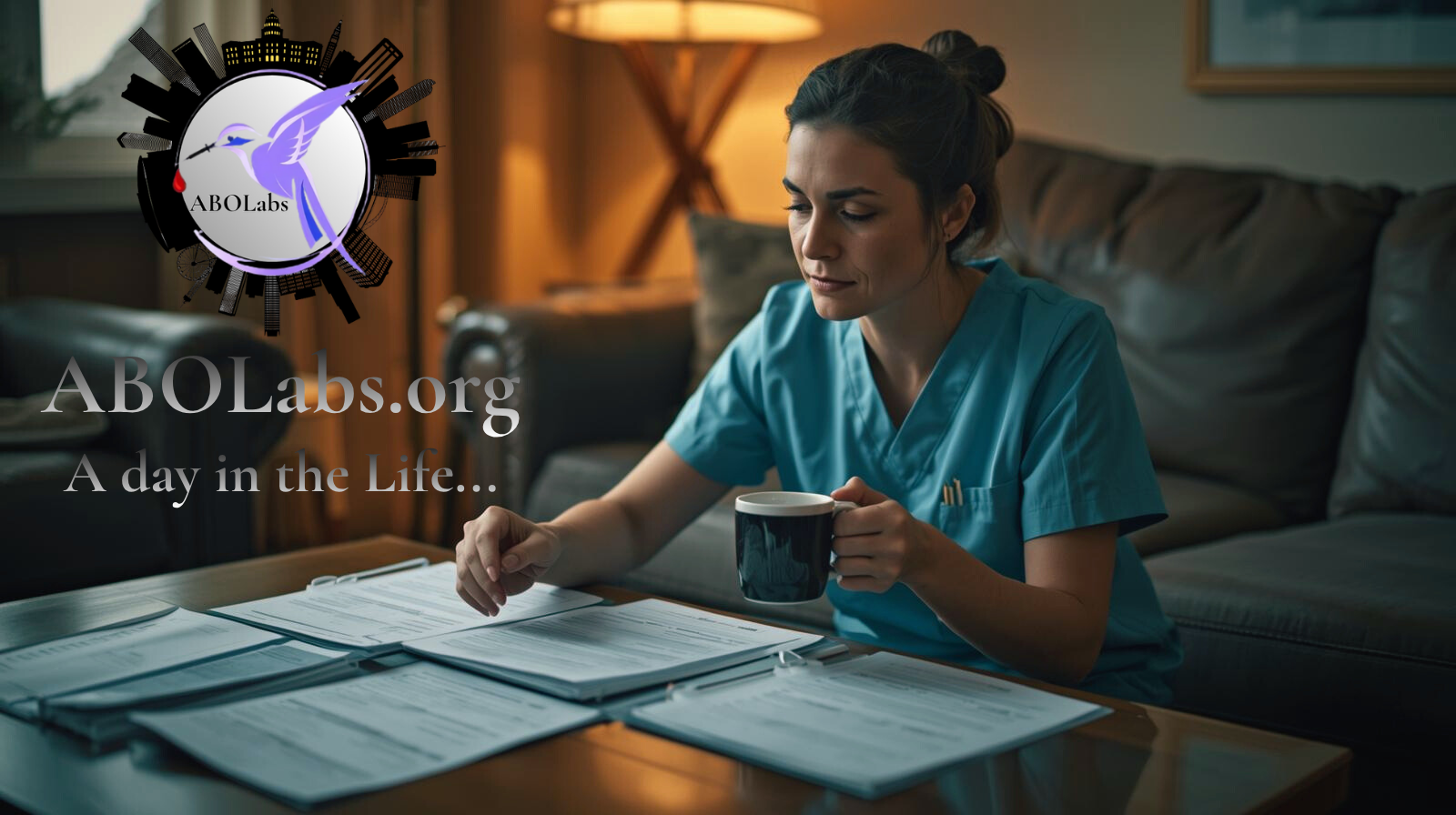
Mobile phlebotomy may look simple from the outside: a quick visit, a friendly greeting, and a few collection tubes.
Behind every smooth appointment, however, is a carefully coordinated day involving route planning, patient communication, specialty kit instructions, specimen handling, documentation, weather monitoring, and laboratory delivery.
A mobile phlebotomist does not simply travel from one blood draw to another. The work continues before the first appointment, between every stop, and long after the final patient has been seen.
Here is a look behind the curtain at a typical day with ABOLabs.
The Day Before: Planning Begins Early
A successful mobile route often begins the evening before.
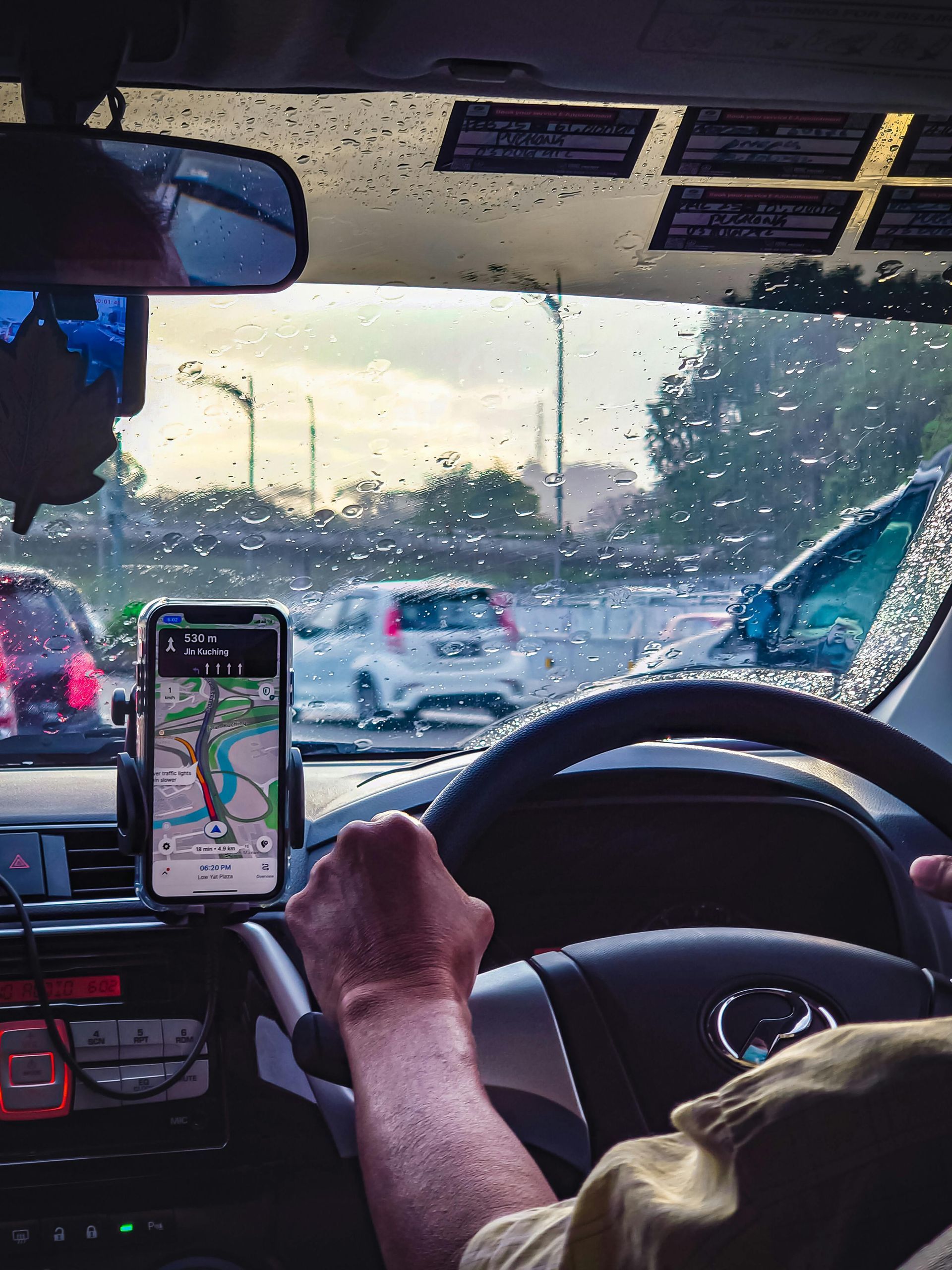
Colorado weather can change quickly. Traffic conditions may shift because of construction, crashes, snow, or road closures. Specialty laboratory kits may also have strict collection and shipping windows that affect when an appointment can be completed.
Before the next morning begins, the ABOLabs team may:
- Review the next day’s patient schedule
- Confirm laboratory orders and specialty kit instructions
- Identify fasting, timed, or temperature-sensitive collections
- Check laboratory, courier, and carrier hours
- Review FedEx or other shipping cutoffs
- Map routes around traffic and expected delays
- Monitor snow, wind, fog, and mountain conditions
- Prepare paperwork and facility packets
- Stage specialty laboratory kits
- Confirm patient addresses and access instructions
- Review late additions or schedule changes
- Check vehicle supplies and safety equipment
Specialty kits from laboratories such as Natera, Genova Diagnostics, Boston Heart Diagnostics, Vibrant Wellness, SpectraCell, and Access Medical Laboratories may each follow a different collection pathway.
Preparing in advance helps prevent missing tubes, incomplete paperwork, or a collection that cannot reach the laboratory within its required window.
The goal is simple: begin the next morning organized rather than scrambling.
Early Morning: Supplies, Safety, and Route Rechecks
The day may begin before sunrise, particularly when patients need fasting laboratory work or when a route includes several distant appointments.
Coffee frequently joins the team meeting, although it has not yet been approved as clinical equipment.
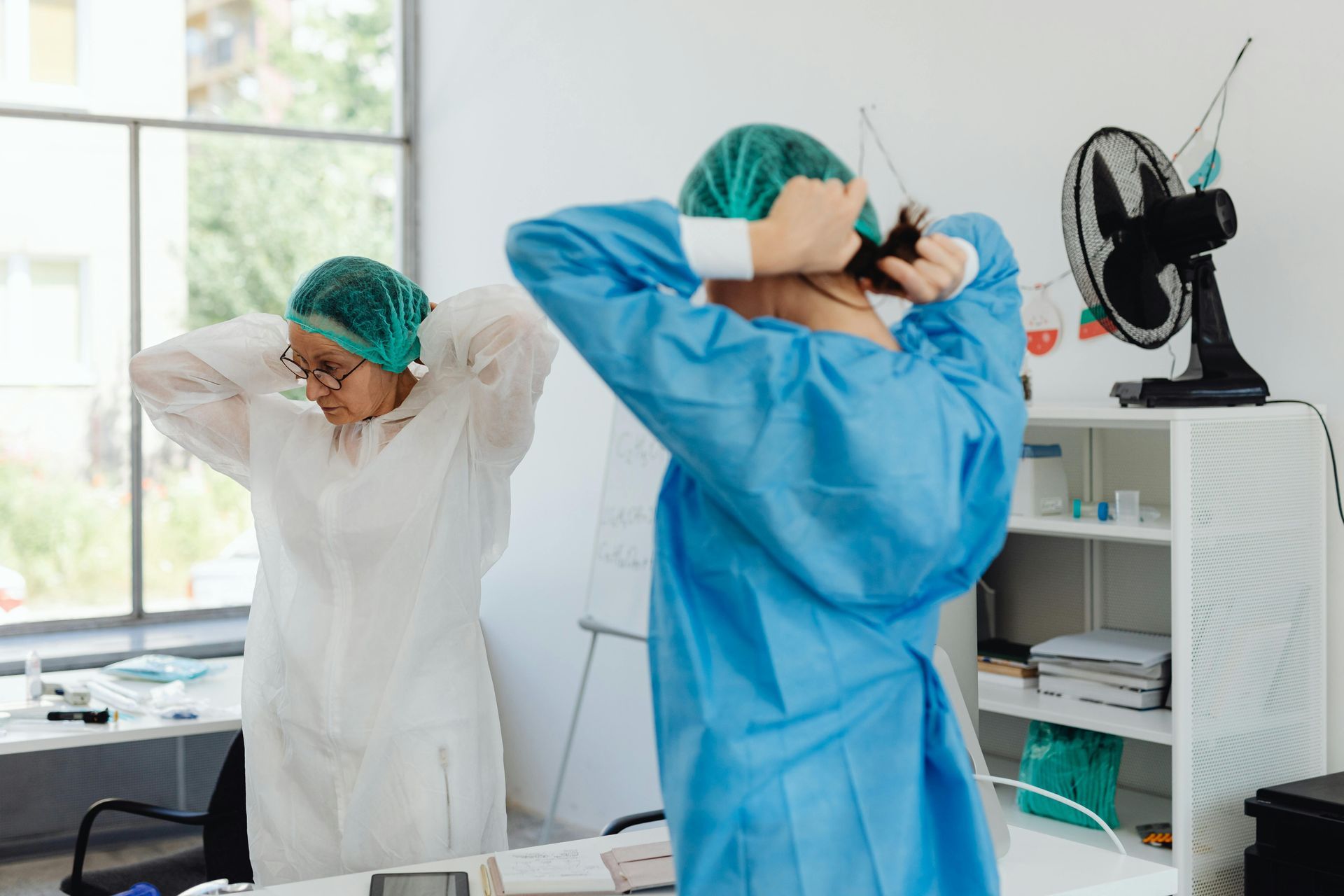
Before leaving, the phlebotomist may:
- Recheck the patient list and laboratory orders
- Confirm overnight schedule changes
- Pack the required collection tubes
- Stock needles, labels, PPE, gauze, bandages, and disinfectants
- Prepare biohazard bags and specimen transport materials
- Verify that specialty kits are complete
- Check portable processing and cold-storage equipment
- Reconfirm laboratory and carrier hours
- Review current weather and road conditions
- Load winter gear, backup supplies, and mobile workstation equipment
A morning recheck can completely change the route.
A delayed laboratory opening, icy road, high-wind advisory, or missed courier window may require appointments to be reordered or moved to another day.
The First Appointment: Bringing the Draw to the Patient
Early appointments are common for:
- Fasting laboratory orders
- Patients who work nontraditional schedules
- Busy parents and caregivers
- Seniors who prefer morning visits
- Time-sensitive specialty collections
- Patients who feel better earlier in the day
At the patient’s home or another approved location, the phlebotomist begins by confirming the patient’s identity and reviewing the available order.
The appointment generally includes:
- A greeting and identity verification
- Review of the order and collection requirements
- Discussion of relevant patient concerns
- Preparation of a clean collection area
- Selection of the appropriate tubes and supplies
- Blood collection
- Immediate labeling and documentation
- Aftercare instructions
- Preparation of the specimen for transport
For the patient, the visit may take only a short time.
For the phlebotomist, it is one link in a much longer chain involving accurate identification, proper collection, specimen protection, and delivery to the correct destination.
Midmorning: Specialty Kit Collections
Specialty laboratory kits often require more preparation than a routine blood draw.
ABOLabs regularly encounters kits from companies such as:
- Vibrant Wellness and Vibrant America
- SpectraCell Laboratories
- Genova Diagnostics
- Boston Heart Diagnostics
- Natera
- Access Medical Laboratories
- Other specialty and functional testing companies
Depending on the test, a kit may require:
- Specific tube types
- Exact fill volumes
- A particular order of draw
- Immediate mixing
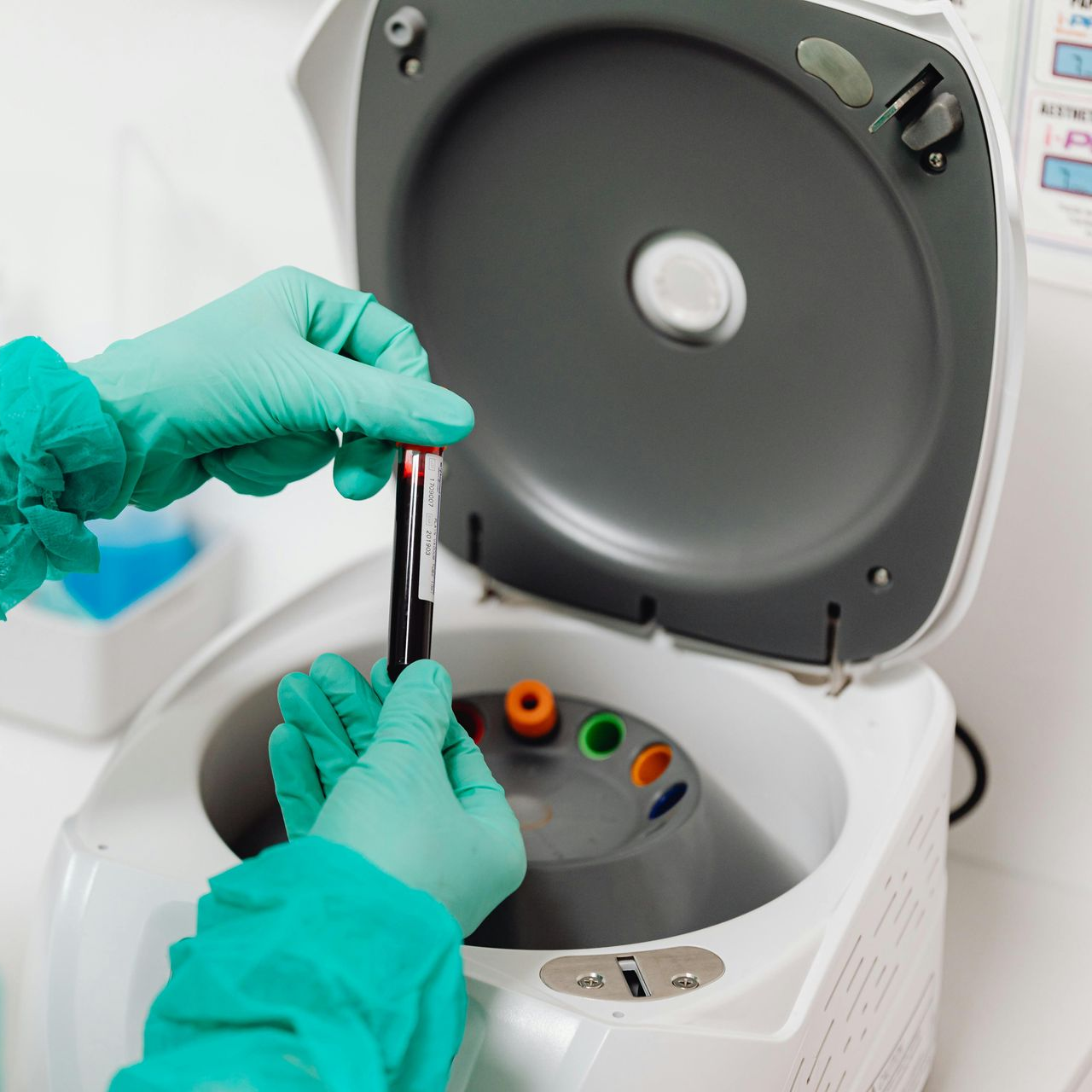
- Timed centrifugation
- Serum or plasma separation
- Refrigerated or room-temperature handling
- Protection from freezing
- Completed requisitions and signatures
- Same-day shipping or courier handoff
The instructions included with the current kit determine the process.
Not every specimen should be chilled, spun, frozen, or shipped in the same way. Applying the wrong handling method can affect whether the receiving laboratory can accept the sample.
ABOLabs reviews kit instructions before the appointment whenever possible and follows the available requirements for the specific test.
Between Appointments: The Mobile Office
Travel time is not empty time.
Between patient visits, the phlebotomist may be:
- Reviewing the next order
- Confirming directions and parking
- Communicating with patients or caregivers
- Monitoring cooler or transport conditions
- Coordinating with the ABOLabs office
- Rechecking laboratory hours
- Adjusting the route around traffic
- Preparing paperwork for the next stop
- Responding to schedule changes
The vehicle functions as transportation, supply storage, a mobile workstation, and sometimes a temporary break room.
Organization matters because the phlebotomist must keep clean supplies, used materials, paperwork, patient information, and transported specimens properly separated.
Lunch: Wherever the Route Allows
Lunch during a mobile route is rarely glamorous.
It may happen in the vehicle, between laboratory deliveries, near a medical office, beside a mountain overlook, or considerably later than originally planned.
This window may also be used to return calls, respond to messages, check the afternoon schedule, and confirm whether weather or traffic has changed.
Adaptability is not a bonus skill in mobile phlebotomy. It is part of the job description.
Serving Patients Across Colorado
ABOLabs travels throughout Colorado, from the Denver metro area and Northern Colorado to mountain communities, rural towns, and the eastern plains.
Each route is planned around patient location, weather, road conditions, specimen requirements, laboratory hours, and delivery deadlines. Some extended-distance appointments may require additional travel time, location-based fees, or special scheduling.
For many patients, mobile phlebotomy is more than convenience. It can provide access to professional blood collection when the nearest traditional laboratory is difficult to reach.
Wherever the route leads, ABOLabs brings careful planning, clear communication, and professional specimen collection directly to the patient.
Laboratory and Carrier Drop-Offs
The blood draw is not complete when the needle leaves the patient’s arm.
The specimen still needs to reach the correct destination under the proper conditions.
Drop-off locations may include:
- Labcorp
- Quest Diagnostics
- Hospital or health-system laboratories
- Physician offices
- Staffed FedEx locations
- Approved carrier facilities
- Specialty couriers
- Other receiving laboratories
Before handoff, the phlebotomist may confirm:
- The destination laboratory
- Patient labels
- Requisition paperwork
- Collection date and time
- Required specimen temperature
- Packaging materials
- Shipping label
- Carrier cutoff
- Tracking information
Specimen integrity depends on this part of the process just as much as it depends on the collection itself.
A technically successful blood draw cannot produce a useful result if the specimen is delivered to the wrong location, arrives outside its stability window, or is transported under incorrect conditions.
End of the Day: Documentation and Reset
When the final patient has been seen and the specimens have been delivered or transferred, the workday is not quite finished.
End-of-day tasks may include:
- Completing documentation
- Confirming specimen handoffs
- Recording tracking information
- Cleaning equipment
- Disposing of regulated waste appropriately
- Restocking collection supplies
- Reviewing inventory
- Charging or checking portable equipment
- Reassembling specialty kit materials
- Responding to final patient or provider messages
- Reviewing the next day’s schedule
- Rechecking weather and road conditions
Then the cycle begins again.
The mobile phlebotomist resets the workspace, prepares the vehicle, and starts planning the next route before the current day has entirely packed its bags.
Why Mobile Phlebotomists Choose This Work
Mobile phlebotomy offers a different kind of patient relationship.
Instead of moving quickly between collection chairs in a busy laboratory, the phlebotomist enters the patient’s environment and often has more opportunity to understand what makes the visit difficult.
Patients may be homebound, anxious around needles, caring for family members, recovering from surgery, completing complex specialty testing, or simply trying to fit healthcare into a crowded life.
Mobile phlebotomists often value the work because they can:
- Make laboratory care easier to access
- Build relationships with recurring patients
- Work independently while remaining part of a care network
- Support people who struggle with traditional laboratory visits
- Use both technical and logistical skills
- Experience a different route every day
- Provide calm, personal care in familiar surroundings
No two days are identical, but the purpose remains the same: collect carefully, communicate clearly, and help the patient complete the next step in their care.
The ABOLabs Difference
ABOLabs combines experienced phlebotomy with the planning required to serve patients across Colorado.
Depending on the appointment and assigned staff, our capabilities may include:
- Routine mobile blood draws
- Pediatric and family collections
- Specialty laboratory kit draws
- Difficult-draw support
- Temperature-sensitive specimen handling
- Mobile centrifugation and processing
- Rural and mountain route planning
- Senior and assisted living collections
- Support for patients with needle anxiety
- Laboratory delivery and shipping coordination
Every appointment is different.
The patient, location, order, laboratory, kit instructions, weather, and delivery requirements all shape the service.
That is why mobile phlebotomy is not simply a blood draw on wheels. It is patient care, logistics, specimen management, and Colorado road knowledge packed into one moving workday.
Ready to Schedule a Mobile Blood Draw?
ABOLabs provides scheduled mobile and in-office phlebotomy across Colorado.
Availability and pricing depend on the patient’s location, collection requirements, travel distance, weather, and specimen-delivery needs.
Your Couch. Your Lab.
Visit abolabs.org, call 720-218-8748, or email scheduling@abolabs.org to ask about scheduling.
ABOLabs is an independent phlebotomy and specimen-collection service. We do not perform diagnostic laboratory testing or provide emergency and STAT draws. Services, processing, transportation, and delivery depend on location, scheduling, laboratory instructions, weather, and staff availability.
Republished June 29, 2026.