
ABOLabs LLC
Medical Assistants Recognition Week – 3rd full week of October

They may be the first person to greet a patient, the calm presence preparing an exam room, or the organized professional keeping a busy clinic from becoming a paperwork tornado.
Medical assistants rarely receive the spotlight, but their work can be found throughout the patient experience.
They support providers, help patients understand what comes next, maintain accurate records, prepare specimens, assist with procedures, and handle countless details that keep healthcare offices moving.
During Medical Assistants Recognition Week, ABOLabs celebrates the professionals whose technical skill, organization, and compassion help turn clinical care into human care.
What Does a Medical Assistant Do?
Medical assistants are multiskilled members of the healthcare team.
Depending on their education, credentials, workplace, state regulations, and the duties delegated by a licensed provider, they may perform a combination of clinical and administrative tasks.
Clinical responsibilities may include:
- Preparing patients for examinations
- Taking vital signs
- Recording medical histories
- Assisting providers during procedures
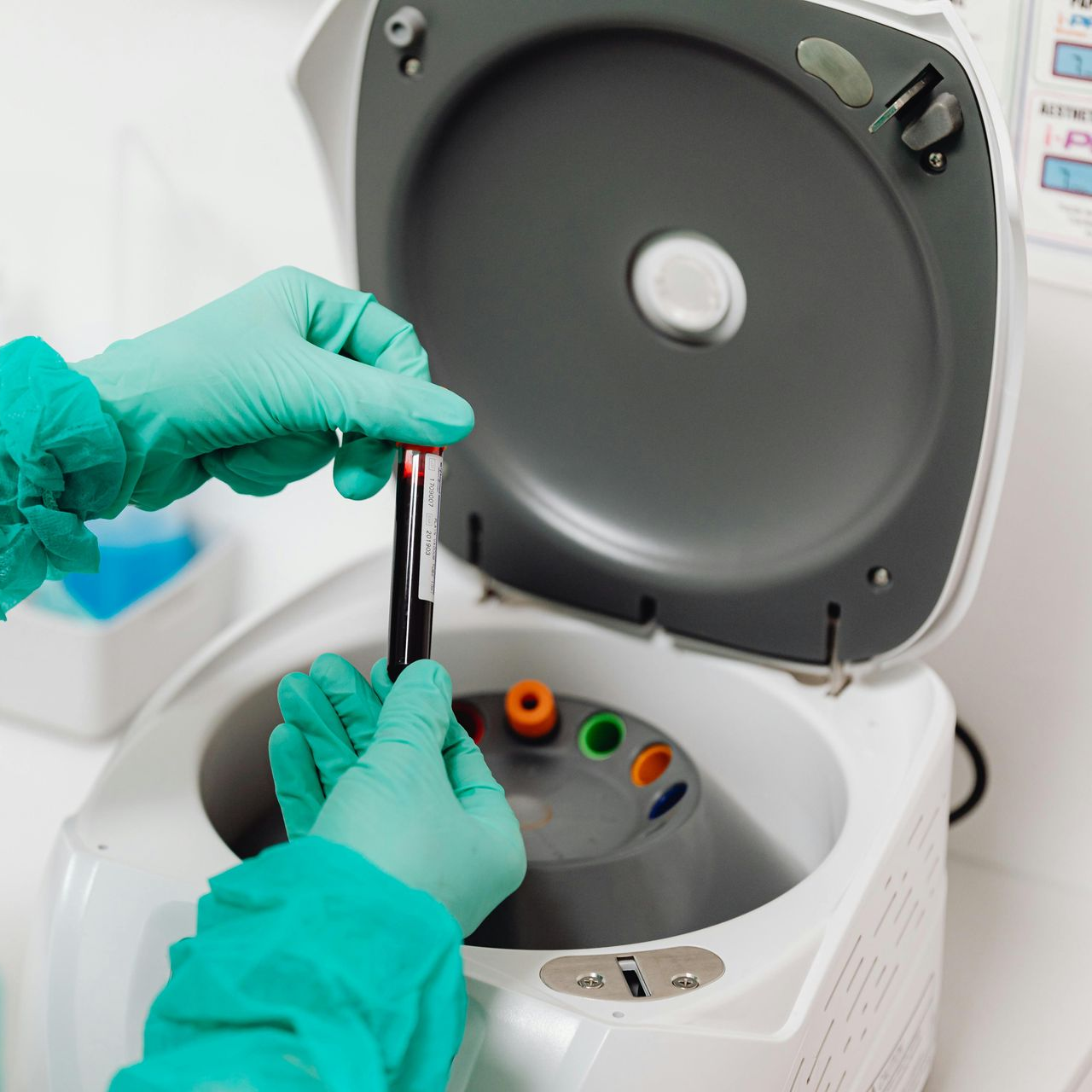
- Collecting or preparing laboratory specimens
- Performing phlebotomy when trained and authorized
- Preparing examination rooms and medical supplies
- Providing provider-approved instructions to patients
- Updating clinical documentation
Administrative responsibilities may include:
- Scheduling appointments
- Greeting and checking in patients
- Updating demographic and insurance information
- Managing records and forms
- Coordinating referrals
- Communicating with patients and providers
- Supporting billing and coding workflows
- Helping maintain an organized clinical schedule
The exact role differs from one healthcare setting to another. A medical assistant in a small primary care office may wear several hats, while one in a specialty clinic may focus on a narrower group of procedures and patient needs.
That flexibility is one of the profession’s greatest strengths.
Why Medical Assistants Matter
Healthcare depends on more than individual appointments and procedures. It depends on coordination.
Medical assistants often help connect the administrative side of care with the clinical side. They may prepare the patient before the provider enters, document essential information, assist during the visit, and help make sure follow-up steps are communicated afterward.
Their work can affect:
- Patient comfort
- Clinic efficiency
- Documentation accuracy
- Specimen quality
- Communication between care-team members
- Appointment flow
- Safety and infection control
- The overall patient experience
A skilled medical assistant helps create order in an environment where phones are ringing, patients are arriving, providers are moving between rooms, and the printer has apparently chosen that exact moment to develop an attitude.
The Human Side of Medical Assisting
Technical ability is important, but healthcare is not performed on spreadsheets alone.
Medical assistants frequently work with people who are nervous, uncomfortable, confused, frustrated, or coping with difficult health news.
A calm explanation, a patient pause, or a few reassuring words can change how someone experiences the entire visit.
Medical assistants may be the team members who notice when a patient appears overwhelmed, needs additional help understanding instructions, or simply needs to feel heard before moving forward.
Those moments may look small from the outside, but they are often the moments patients remember.
Medical Assistants and Laboratory Care
Medical assistants can play an important role in the laboratory portion of patient care.
Depending on their training and assigned responsibilities, they may:
- Confirm laboratory orders
- Prepare patients for collection
- Perform blood draws
- Label specimens
- Complete requisitions
- Prepare samples for transport
- Coordinate with laboratories or couriers
- Document collection information
- Help patients understand the next administrative steps
Attention to detail is essential.
A mislabeled tube, incomplete requisition, incorrect collection time, or missed handling instruction can delay testing and create additional work for the patient, provider, and laboratory.
The professionals working behind the specimen help protect the chain of information that follows it.
How ABOLabs Works with Medical Assistants
ABOLabs frequently communicates and collaborates with medical assistants in physician offices, wellness practices, senior communities, specialty clinics, and other healthcare settings.
A medical assistant may be the person who:
- Confirms that a provider order is ready
- Helps coordinate the patient’s appointment
- Provides laboratory or specialty-kit instructions
- Answers questions about the clinic’s workflow
- Prepares paperwork for a mobile draw
- Confirms where a specimen should be delivered
- Communicates schedule changes to the patient
- Helps resolve missing information before collection
This coordination is especially valuable when a patient needs mobile phlebotomy, a specialty kit draw, recurring laboratory work, or assistance outside the clinic’s normal collection process.
ABOLabs and medical assistants perform different roles, but both rely on clear communication, careful documentation, and respect for the patient.
From Clinics to Colorado Communities
Medical assistants work in many healthcare environments, including:
- Primary care practices
- Specialty clinics
- Hospitals and health systems
- Urgent care centers
- Community health organizations
- Senior care settings
- Occupational health programs
- Outpatient treatment centers
- Mobile and home-based care programs
Wherever they work, medical assistants help healthcare teams extend care beyond the provider’s time inside the examination room.
ABOLabs shares that commitment to accessible, patient-centered service by bringing scheduled phlebotomy and specimen collection to homes, medical offices, senior communities, workplaces, and other approved locations across Colorado.
A Thank-You to Medical Assistants
Medical Assistants Recognition Week is observed annually during the third full week of October, but the work deserves recognition throughout the year.
To the medical assistants who prepare the room, calm the patient, update the chart, track down the missing order, answer the phone, help the provider, label the specimen, and somehow keep the day moving: thank you.
Your attention to detail protects patients.
Your organization supports providers.
Your compassion makes healthcare feel less mechanical.
ABOLabs is proud to work alongside medical assistants and other care-team professionals throughout Colorado. Their contributions help keep clinics organized, patients supported, and healthcare moving forward.
To learn more about ABOLabs mobile phlebotomy, clinic support, and community partnerships, visit abolabs.org, call 720-218-8748, or email scheduling@abolabs.org.
ABOLabs is an independent phlebotomy and specimen-collection service. Medical assistant duties and scope of practice vary based on education, credentials, state requirements, employer policies, and provider delegation.
Originally published in 2025. Republished June 27, 2026.