
ABOLabs LLC
Breast cancer awareness is about more than pink ribbons.
It is about understanding your body, discussing screening with your healthcare provider, knowing where to find trustworthy information, and making sure no patient or caregiver feels left to navigate the road alone.
Finding breast cancer when it is still localized can improve treatment options and outcomes. The five-year relative survival rate for localized female breast cancer is approximately 99%, although every diagnosis and individual prognosis is different.
Awareness cannot prevent every diagnosis, but it can help people recognize changes, ask informed questions, and take appropriate action sooner.
Know What Is Normal for Your Body
Breast cancer does not always cause noticeable symptoms, particularly in its earlier stages. That is one reason routine screening is important.
It is still helpful to understand how your breasts normally look and feel so that you can recognize a new or unusual change.
Possible warning signs may include:
- A new lump in the breast or underarm
- Thickening or swelling in part of the breast
- A change in the size or shape of the breast
- Dimpling, puckering, redness, or irritation of the skin
- Flaky skin around the breast or nipple
- A nipple that begins turning inward
- Nipple discharge other than breast milk
- New or persistent breast or nipple pain
Many breast changes are caused by conditions other than cancer. However, a new or unusual change should be discussed with a healthcare provider rather than watched indefinitely or diagnosed at home.
Routine monthly self-exams are not considered a replacement for mammography. The goal is not to perform a perfect inspection on a rigid calendar. It is to be familiar enough with your body to recognize when something has changed.
When Should Mammogram Screening Begin?
Breast cancer screening recommendations vary slightly among major medical organizations.
The U.S. Preventive Services Task Force recommends screening mammography every two years for women between ages 40 and 74 who are at average risk.
The American Cancer Society recommends:
- Women ages 40 through 44 should have the option to begin yearly mammograms.
- Women ages 45 through 54 should receive a mammogram every year.
- Women age 55 and older may switch to every two years or continue yearly screening.
- Screening may continue while a woman remains in good health and is expected to live at least another 10 years.
These recommendations apply primarily to people at average risk.
Someone with a strong family history, certain genetic mutations, previous chest radiation, a personal history of breast cancer, or other significant risk factors may need to begin screening earlier or receive additional imaging.
The right schedule should be based on a conversation with a qualified healthcare provider who understands the patient’s age, family history, breast density, medical history, and individual risk factors.
What About Dense Breast Tissue?
Dense breast tissue contains more fibrous and glandular tissue and less fatty tissue.
Dense tissue can make abnormalities more difficult to identify on a mammogram. It is also associated with a higher risk of developing breast cancer.
A mammogram report should indicate whether the patient has dense breasts. Anyone who receives that notification should discuss what it means with their healthcare provider.
Additional imaging, such as ultrasound or breast MRI, may be considered in some situations. However, supplemental imaging is not automatically necessary for every person with dense breasts.
Higher-Risk Screening
People at higher risk may need a different screening plan from the standard recommendations.
The American Cancer Society advises that certain high-risk women receive both a breast MRI and mammogram every year, often beginning around age 30.
Higher-risk factors may include:
- A BRCA1 or BRCA2 gene mutation
- A first-degree relative with a BRCA mutation
- A calculated lifetime breast cancer risk of approximately 20% to 25% or higher
- Radiation treatment to the chest before age 30
- Certain inherited cancer syndromes
- A particularly strong family history
Genetic counseling or risk assessment may help determine whether enhanced screening is appropriate.
Finding Affordable Breast Cancer Screening in Colorado
Cost should not automatically place screening out of reach.
Colorado’s Women’s Wellness Connection provides free breast and cervical cancer screening services to people who qualify. Services are available through participating clinics across the state and may include mammograms, follow-up testing, and health navigation.
Eligibility may depend on factors such as:
- Age
- Income
- Insurance coverage
- Colorado residency
- The type of screening needed
People who do not qualify may still be connected with other affordable screening resources.
The American Cancer Society also operates a cancer information helpline at 1-800-227-2345. Trained specialists can provide cancer information and help patients and families locate programs and resources.
Eligibility, funding, and appointment availability can change. Contact each program directly for the most current information.
Emotional Health Matters Too
A breast cancer diagnosis affects more than the body.
It may disrupt work, relationships, finances, family responsibilities, self-image, sleep, and a person’s sense of normalcy. Patients may experience fear, anger, sadness, uncertainty, or emotional exhaustion at different points during diagnosis and treatment.
There is no single correct way to react.
Support may come from:
- Individual counseling
- Oncology social workers
- Patient or survivor support groups
- Online communities
- Faith or spiritual communities
- Friends and family
- Caregiver support programs
- Mental health professionals
- Hospital or treatment-center navigation teams
Organizations such as CancerCare and Living Beyond Breast Cancer offer educational information, counseling resources, peer communities, and support programs for people affected by breast cancer.
Support for Caregivers
Caregivers often become appointment coordinators, drivers, note-takers, meal planners, advocates, and emotional anchors.
That role can be meaningful, but it can also be exhausting.
Caregivers should remember that asking for help does not mean they are failing. Rest, counseling, support groups, respite care, and practical assistance can help caregivers remain present without quietly burning through their own health.
Helpful ways to support someone with breast cancer may include:
- Offering specific assistance instead of saying, “Let me know if you need anything”
- Driving to appointments
- Preparing meals
- Helping with children or pets
- Taking notes during medical visits
- Assisting with paperwork or transportation
- Checking in without pressuring the person to respond
- Respecting the patient’s choices and boundaries
Sometimes the most useful support is not finding the perfect sentence. It is simply remaining present.
Financial and Practical Support
Cancer treatment can create costs far beyond medical bills.
Patients may also face lost income, transportation expenses, child care, home care, groceries, utilities, and other everyday obligations.
Potential resources include:
- Hospital financial counselors
- Oncology social workers
- CancerCare
- Living Beyond Breast Cancer
- The Pink Fund
- The American Cancer Society
- Local transportation programs
- Treatment-center patient navigation teams
Some programs provide direct financial support, while others help patients locate transportation, counseling, grants, or community services.
Funding is often limited and eligibility requirements vary, so patients should apply early and ask their treatment team about local resources.
Trusted Colorado Starting Points
Colorado patients may also contact established healthcare and public-health organizations for screening, treatment, navigation, and support information.
Possible starting points include:
- Colorado Women’s Wellness Connection
- UCHealth breast care and cancer services
- Denver Health breast screening and women’s health services
- Rocky Mountain Cancer Centers
- Local hospital breast centers
- Community health centers
- County public-health departments
The appropriate organization will depend on whether the person needs routine screening, diagnostic imaging, treatment, financial assistance, or emotional support.
Breast Cancer Questions and Answers
Does a lump always mean breast cancer?
No. Many breast lumps are caused by noncancerous conditions such as cysts or fibrocystic changes.
However, a new lump or area of thickening should be evaluated by a healthcare professional rather than diagnosed at home.
Can breast cancer develop without a lump?
Yes. Breast cancer may cause skin changes, swelling, nipple changes, discharge, pain, or changes in breast shape. Some early breast cancers cause no noticeable symptoms at all.
Do I need to perform a breast self-exam every month?
Major screening guidelines do not recommend formal monthly self-exams as a replacement for mammography.
It is still important to know what is normal for your breasts and report new or unusual changes to your healthcare provider.
Should everyone begin mammograms at age 40?
The U.S. Preventive Services Task Force recommends mammograms every two years from ages 40 through 74 for average-risk women.
The American Cancer Society allows the option to begin yearly screening between ages 40 and 44 and recommends yearly mammograms beginning at age 45.
A healthcare provider can help determine the most appropriate schedule based on individual risk.
Does a blood test screen for breast cancer?
Routine bloodwork does not replace mammography or diagnostic breast imaging.
Some blood tests may be ordered during cancer treatment or follow-up care, but no standard blood test currently replaces recommended breast cancer screening.
Can ABOLabs perform mammograms?
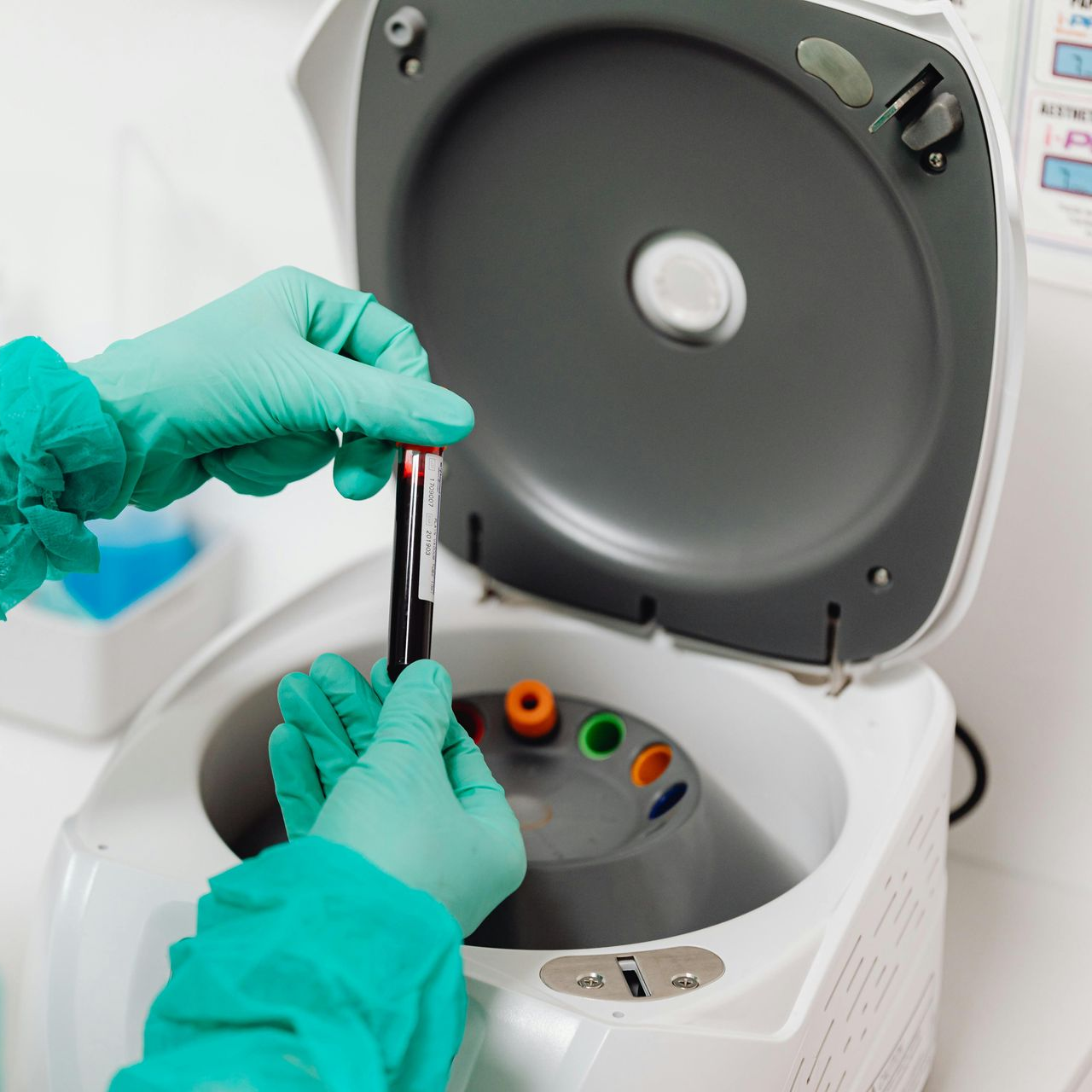
No. ABOLabs provides phlebotomy and specimen-collection services, not mammography, breast imaging, diagnosis, or cancer treatment.
ABOLabs may assist with properly ordered bloodwork or specialty laboratory collections related to a patient’s broader care plan.
Where can uninsured Colorado patients find screening assistance?
Colorado’s Women’s Wellness Connection provides free breast and cervical cancer screening services to qualifying individuals through participating clinics across the state.
Patients can also contact the American Cancer Society or a local community health center for help locating screening resources.
What should I do if I notice a breast change?
Contact a qualified healthcare provider promptly.
Do not wait for the next routine mammogram if you have a new lump, nipple discharge, skin changes, swelling, or another concerning symptom.
Awareness Is About People
Breast cancer awareness should not end when October does.
It continues when someone schedules an overdue mammogram, asks about their family history, supports a friend through treatment, helps a caregiver take a break, or shares an affordable screening resource with someone who needs it.
No one should have to navigate breast cancer entirely alone.
Awareness is not only about ribbons. It is about people, access, persistence, informed action, and communities willing to walk beside one another.
For information about provider-ordered blood draws or specialty laboratory collections, visit abolabs.org, call 720-218-8748, or email scheduling@abolabs.org.
ABOLabs is an independent phlebotomy and specimen-collection service. We do not provide mammograms, breast examinations, medical diagnoses, treatment recommendations, or diagnostic laboratory testing. This article is for general educational purposes and does not replace advice from a qualified healthcare provider.
Republished June 27, 2026.