
ABOLabs LLC
International Women’s Day: The Women Who Built Modern Healthcare (And Why It Still Matters)
Every year, International Women’s Day shows up with flowers, hashtags, and a quick “thank you.”
But the real story runs deeper.
Modern healthcare—what we rely on today—was shaped, challenged, and rebuilt by women who didn’t have the luxury of being taken seriously at first. Many were ignored. Some were blocked. A lot were erased from the neat version of history we were taught.
And still, they pushed forward.
Not because it was
easy.
Because it was
necessary.
International Women’s Day isn’t just about celebrating women in the present. It’s about remembering the women who made the present possible—and noticing the ways women are still carrying healthcare forward today.
The truth: women didn’t “enter” healthcare — they held it together
For centuries, women served as healers, midwives, caregivers, and community clinicians long before medicine had the structures we recognize now.
But when healthcare professionalized—when degrees, boards, hospitals, and gatekeepers took center stage—many women were pushed out of credit, leadership, and recognition.
Yet women kept showing up anyway.
They built systems. They created standards. They pioneered research. They fought for sanitation. They challenged bias. They made care more humane. And they kept patients alive when the “official” system wasn’t built for everyone.
A few women whose impact still lives in your everyday care
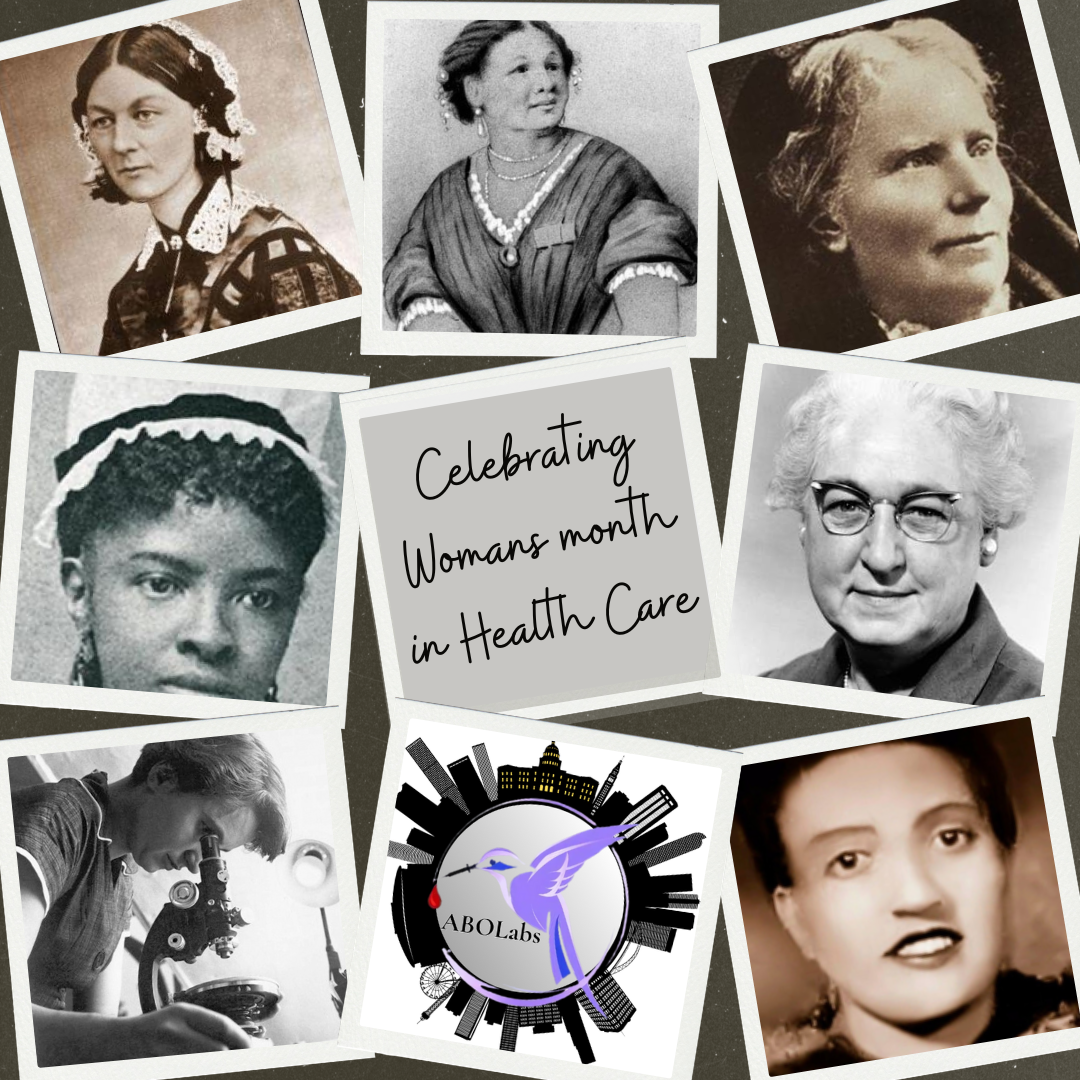
Florence Nightingale: the original data-driven healthcare disruptor
Nightingale wasn’t just “the founder of modern nursing.” She was also a statistics powerhouse. She used data visualization to prove that sanitation and environment dramatically changed survival rates. That mindset—measure outcomes, track patterns, improve systems—is basically the backbone of modern quality improvement.
Mary Seacole: care without permission
Mary Seacole, a Jamaican-British nurse and healer, treated soldiers during the Crimean War after being denied official support. She funded her own work, traveled anyway, and built a place of care when bureaucracy said “no.”
She’s a reminder that healthcare is often advanced by the people willing to show up before they’re validated.
Elizabeth Blackwell: changing the “who” of medicine
The first woman in the U.S. to earn a medical degree did something simple and revolutionary: she proved women belong in medicine as physicians, not just as helpers.
That doorway she opened didn’t just change careers—it changed the way patients could access care.
Rebecca Lee Crumpler: care where care was withheld
The first Black woman physician in the U.S., Crumpler treated formerly enslaved patients who were often denied medical care entirely. Her work wasn’t just clinical—it was justice-driven.
She represents a reality that still matters: access is not equally distributed, and it never has been.
Rosalind Franklin: the cost of being right first
Franklin’s work was essential to understanding DNA’s structure, yet recognition largely went elsewhere. Her story is a reminder that women have often contributed foundational breakthroughs—then watched someone else receive the credit.
And that’s not ancient history. That pattern echoes in workplaces today.
Women today are still the engine of healthcare
Women make up a large portion of the healthcare workforce globally—nurses, medical assistants, lab professionals, caregivers, therapists, administrators, researchers, and physicians.
But here’s the part we can’t gloss over:
Even when women carry the workload, they aren’t always given equal leadership, equal pay, or equal voice.
That’s why International Women’s Day matters now—not just historically.
Because recognition isn’t a “nice-to-have.”
Recognition changes policy.
Policy changes working conditions.
And working conditions change patient outcomes.
Healthcare is changing — and women are still leading the change
When you look at where healthcare is headed—more patient-centered, more accessible, more preventive, more human—you’ll notice something:
That direction aligns with what women have been pushing for in healthcare for a long time.
- Care that’s built around real life, not perfect schedules
- Systems that reduce barriers instead of adding paperwork
- Services that meet patients where they are
- Compassion that doesn’t get dismissed as “soft,” because it’s actually effective
Women have always been innovators in healthcare—sometimes through research and leadership, sometimes through quiet everyday persistence.
And often through both.
A simple way to honor International Women’s Day: notice who’s keeping you well
If you want to do something meaningful today, try this:
Think about the women who have shaped your healthcare journey.
The
nurse who explained things gently when you were overwhelmed.
The
doctor
who listened instead of rushing.
The
lab professional who stayed steady when you felt nervous.
The
caregiver who made someone’s hardest day feel less lonely.
Then, if you can, tell them.
Not as a generic compliment.
As a real acknowledgment.
Because being seen—truly seen—is something women in healthcare have earned again and again.
Closing thought
International Women’s Day is a celebration, yes.
But it’s also a reminder:
Women have always been at the front lines of health—innovating, advocating, researching, caring, leading.
They didn’t wait to be invited.
They built the future anyway.