
ABOLabs LLC
Heart Health Labs Your Provider May Order (and Why They Matter)
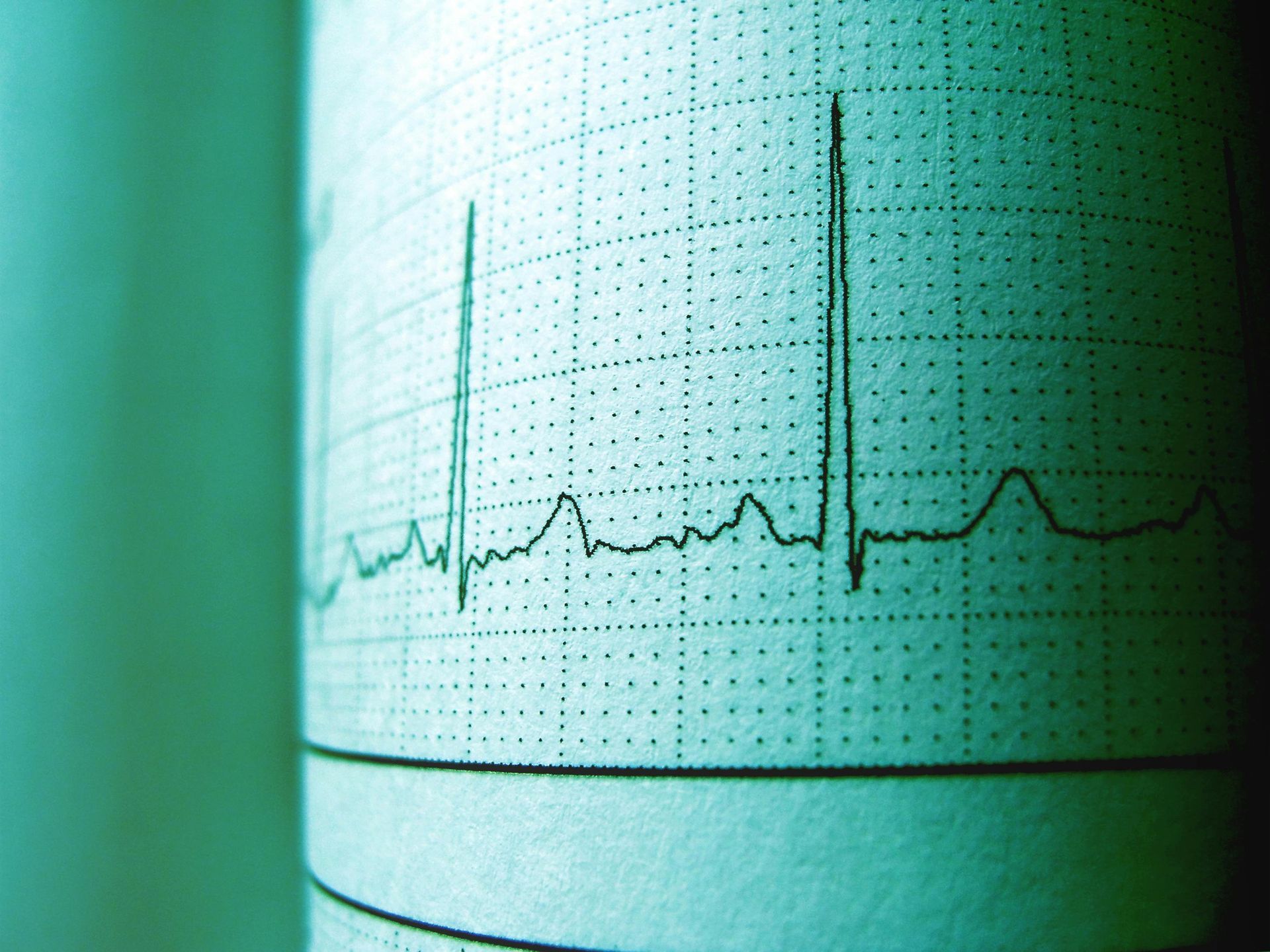
If you’ve ever had a doctor say, “Let’s check your labs,” and you wondered which labs—and why—you’re not alone.
Heart health isn’t just about one number. It’s a bigger picture that includes cholesterol, blood sugar, inflammation, kidney function, thyroid health, and more. Lab work helps your provider spot patterns early, confirm risk factors, and track how well a treatment plan is working over time.
This guide breaks down common heart-related labs your provider may order, what they generally measure, and why they’re often included in a heart-health workup.
- Friendly note: This article is for general education only and isn’t medical advice. Your clinician is the best person to interpret your results and decide which tests are appropriate for you.
1) Lipid Panel (Cholesterol Panel)
What it usually includes:
- Total cholesterol
- LDL (“bad” cholesterol)
- HDL (“good” cholesterol)
- Triglycerides
Why it matters:
A lipid panel is one of the most common starting points for evaluating cardiovascular risk. It helps your provider understand how fats are moving through your bloodstream, and whether patterns suggest increased risk over time.
What your provider may look for:
- High LDL or triglycerides
- Low HDL
- Changes over time (trends often matter more than a single result)
Common question: Do I need to fast?
Sometimes yes, sometimes no. Fasting rules depend on the provider’s preference and what else is being ordered. If fasting is needed, your provider’s order or your draw instructions will say so.
2) ApoB (Apolipoprotein B)
What it measures:
ApoB is a protein found on certain cholesterol-carrying particles (often described as the “vehicles” that move cholesterol around).
Why it matters:
Some providers use ApoB as a deeper look at “atherogenic” particles (the types linked with plaque formation). In some cases, ApoB can help clarify risk even when a standard lipid panel looks “okay.”
3) Lipoprotein(a) — Lp(a)
What it measures:
Lp(a) is a specific type of lipoprotein that is largely influenced by genetics.
Why it matters:
Some providers order Lp(a) to assess inherited risk. It’s not typically something you “feel,” and it may not show up clearly on a standard cholesterol panel.
Important note:
Lp(a) is often more about
long-term risk awareness and planning than immediate symptoms.
4) hs-CRP (High-Sensitivity C-Reactive Protein)
What it measures:
hs-CRP is a marker of inflammation in the body.
Why it matters:
Inflammation is one factor providers may consider when assessing cardiovascular risk. hs-CRP doesn’t diagnose heart disease by itself, but it can be part of a broader risk picture—especially when combined with other labs and clinical history.
5) Hemoglobin A1c (Average Blood Sugar)
What it measures:
A1c reflects your average blood sugar over the past ~2–3 months.
Why it matters for the heart:
Blood sugar and heart health are closely connected. Elevated blood sugar over time can affect blood vessels and increase cardiovascular risk. That’s why A1c is commonly included in wellness visits, annual labs, and heart-risk evaluations.
6) Fasting Glucose and/or Insulin (Sometimes Ordered Together)
What it measures:
- Fasting glucose: your blood sugar at one point in time
- Insulin (if ordered): how your body is responding to blood sugar
Why it matters:
Your provider may use these tests to understand metabolic health, insulin resistance, and early risk patterns—especially if there’s family history or other risk factors.
7) Comprehensive Metabolic Panel (CMP)
What it usually includes:
- Kidney markers (BUN, creatinine)
- Liver enzymes (ALT, AST)
- Electrolytes (sodium, potassium, etc.)
- Glucose (sometimes included)
- Protein markers (albumin, total protein)
Why it matters for heart health:
Heart health is connected to systems that support circulation and fluid balance—especially kidneys and electrolytes. Certain medications and conditions also make CMP monitoring important.
8) Kidney Health Labs (eGFR, Creatinine) and Urine Microalbumin
What they measure:
- Creatinine / eGFR: kidney filtration and function
- Urine microalbumin: tiny amounts of protein in urine that can indicate early changes in kidney health
Why it matters:
Kidney health and cardiovascular health are closely linked. Providers often monitor kidneys as part of managing blood pressure, diabetes, and overall cardiovascular risk.
9) Thyroid Labs (TSH, Free T4 — Sometimes Free T3)
What they measure:
Thyroid hormones influence metabolism, heart rate, and energy regulation.
Why it matters:
Thyroid imbalance can sometimes affect cholesterol patterns, heart rhythm, fatigue, and more. That’s why thyroid labs may be included when a provider is evaluating symptoms or reviewing cardiovascular risk factors.
10) CBC (Complete Blood Count)
What it measures:
CBC looks at red blood cells, white blood cells, hemoglobin, and platelets.
Why it matters:
While CBC is not a “heart test” by itself, it can give context—like anemia (which can impact fatigue and oxygen delivery) or other patterns your provider may want to investigate.
11) Tests Usually Reserved for Specific Situations
These aren’t routine “preventive” labs for everyone, but your provider may order them depending on symptoms, history, or monitoring needs:
- BNP/NT-proBNP: sometimes used when evaluating possible heart failure symptoms
- Troponin: typically used in urgent/emergency settings for possible heart injury
- Coagulation labs (INR/PT): used for certain medications and conditions
- Specialty cardiac markers: based on clinical judgment or specialist care
What Matters Most: Your Trend + Your Context
Two people can have the same LDL number and different risk profiles. Your provider interprets labs alongside:
- family history
- blood pressure
- weight and lifestyle factors
- medications
- symptoms
- age and overall health
- prior results and trends
Labs aren’t meant to scare you—they’re meant to inform you.
How ABOLabs Helps You Stay On Track (Especially in Winter)
If your provider ordered labs for heart health, timing matters. Skipping or delaying labs can slow down decisions and follow-up care.
ABOLabs makes it easier to keep those labs moving:
- We come to you for mobile blood draws (home, workplace, assisted living)
- In-office options available when that’s simpler
- Winter safety protocols to protect patients, staff, and sample integrity
- Gentle, experienced phlebotomists (great for seniors, busy families, and anxious patients)
Frequently Asked Questions
- Do I need a doctor’s order?
For many lab tests, yes. If you’re using direct-to-consumer testing options, requirements depend on the test and the lab. If you’re unsure, reach out—we’ll point you in the right direction. - Do I need to fast?
Only if your provider’s order says so. If fasting is required, we’ll help you plan your appointment window. - Can you draw specialty kits (BostonHeart, Genova, etc.)?
Yes—ABOLabs specializes in kit draws and follows kit-specific handling instructions to support accurate results.
Ready to Schedule Your Lab Draw?
If your provider has ordered heart-health labs and getting to a draw site is the biggest hurdle, ABOLabs can help.
Visit abolabs.org to request an appointment, or reach out to our team with your order details and preferred draw window.
Your Couch. Your Lab.
ABOLabs — mobile and in-office phlebotomy across Colorado.