ABOLabs LLC
Thyroid Awareness Month → Know the Signs, Know the Numbers, Know Your Options with ABOLabs
Your thyroid may be small — but its impact on your health, metabolism, energy, mood, and long-term well being is enormous. During Thyroid Awareness Month, we’re highlighting why awareness matters, what the data shows, and how easy it can be to stay on top of your thyroid health with at-home lab testing through ABOLabs.
Thyroid Cancer & Thyroid Disorders: What the Numbers Say
- In the U.S., about 44,020 new cases of thyroid cancer are expected in 2025 (roughly 12,670 in men and 31,350 in women).
- That translates to an age-adjusted incidence rate of ~13.5 per 100,000 people per year (combined sexes).
- Lifetime risk: approximately 1.1% of U.S. men and women will be diagnosed with thyroid cancer at some point in their lives.
- As of 2022, there were an estimated 1,016,930 people living with thyroid cancer in the U.S.
Trend over time
- New diagnoses of thyroid cancer rose steadily from the 1990s through approximately 2014.
- Since 2014, new case rates have begun to decline slightly (the rate of new diagnoses is estimated to be falling by roughly 0.8% per year on average).
- Mortality has remained low and stable over time.
Types & Prognosis
- The most common subtype is Papillary thyroid cancer — it accounts for about 70–80% of all thyroid cancers.
- Another common subtype is Follicular thyroid cancer, which accounts for approximately 10–15% of cases.
- Because many thyroid cancers grow slowly and are detected early, treatment — often surgery and/or radioactive-iodine therapy — is usually effective.
Why Blood Tests and Thyroid Function Panels Matter (Beyond Cancer)
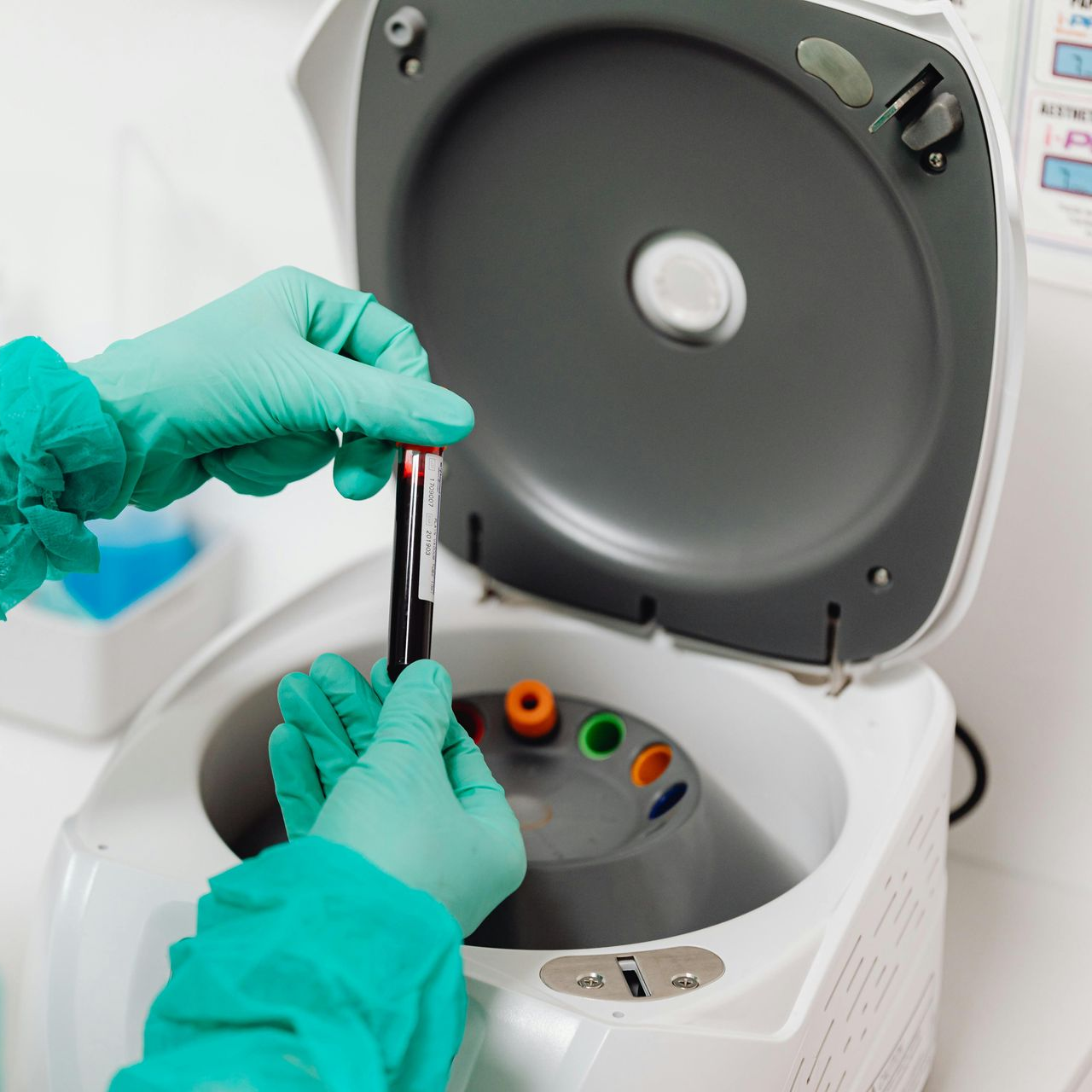
- The first, most common screening blood test for thyroid health is a TSH test. A high or low TSH can indicate underactive (hypothyroidism) or overactive thyroid (hyperthyroidism), respectively.
- If TSH is abnormal, follow-up tests often include thyroid hormone levels such as T4 test — and sometimes T3 test.
- For certain conditions (e.g. suspected autoimmune thyroid disorders), measuring thyroid antibodies may also be helpful.
- Because thyroid dysfunction can quietly affect metabolism, energy, mood, weight, cardiovascular health — and general quality of life — routine testing makes sense for many people.
How ABOLabs Can Help — Why Home-Based Testing Makes Sense
Given the prevalence, rising incidence, and subtlety of many thyroid issues, regular monitoring becomes important. That’s where ABOLabs brings real value:
- Convenient at-home blood draws — skip the wait rooms and the drive, we bring phlebotomy to you.
- Access to comprehensive thyroid panels — including TSH, T4, T3, and antibody testing if indicated — all from a single blood draw.
- Flexible follow-up testing — if initial labs indicate abnormal thyroid function, scheduling follow-up draws is easy, without needing to coordinate across multiple clinics.
- Support for ongoing care — particularly helpful for those tracking thyroid nodules, post-treatment monitoring, or regular thyroid-function management.
With home-based testing, risk factors or symptoms don’t have to become a roadblock — we make monitoring accessible and convenient.
This Thyroid Awareness Month — Take Charge of Your Health
Who should consider getting tested or monitored?
- Adults in the typical diagnosis age range (many diagnoses occur between 25–65 years old).
- Women — because thyroid cancer is significantly more common among women.
- People with family history of thyroid disease, prior radiation exposure, or identified thyroid nodules.
- Anyone experiencing symptoms such as unexplained fatigue, weight changes, mood shifts, metabolic changes, neck lumps — or anything unusual in their thyroid health.
- Individuals with diagnosed or treated thyroid disease — who need regular hormone-level monitoring.
Why now? Because thyroid disease (both cancer and non-cancer) is not always obvious, and early detection or monitoring can make a big difference for long-term health and quality of life.
At ABOLabs, we’re committed to making that monitoring accessible, affordable, and convenient — because your thyroid health shouldn’t depend on whether you can make it to a lab.
📞 Want to learn more or schedule a thyroid panel? Visit abolabs.org or call 720-218-8748.
References & Data Sources
- American Cancer Society (2025 Key Statistics for Thyroid Cancer)Number of new thyroid cancer cases (44,020), death estimates (2,290), gender breakdown.
- SEER Program / National Cancer Institute — “Thyroid Cancer Stat Facts”Age-adjusted incidence rate (13.5/100,000), lifetime risk (1.1%), prevalence (1,016,930 living with thyroid cancer as of 2022).
- National Institute of Diabetes and Digestive and Kidney Diseases (NIDDK) — “Thyroid Tests”Explanation of TSH, T4, T3 tests; how thyroid hormone levels reflect thyroid function.
- MedlinePlus — “TSH (Thyroid-Stimulating Hormone) Test”What a TSH test is used for; how abnormal results may indicate hypo- or hyper-thyroidism; what follow-up testing might involve.