
ABOLabs LLC
Understanding Therapeutic Phlebotomy
Therapeutic phlebotomy is a prescribed medical treatment in which a measured amount of blood is removed from the body.
Although the procedure may look similar to donating blood, its purpose is different. Therapeutic phlebotomy is used to help manage certain medical conditions involving excess iron or an abnormally high concentration of red blood cells.
The exact amount of blood removed, treatment schedule, laboratory goals, and safety requirements are determined by the patient’s healthcare provider.
For eligible patients, ABOLabs may provide scheduled therapeutic phlebotomy in the comfort of the patient’s home or another approved location.
Why Is Therapeutic Phlebotomy Performed?
Red blood cells contain iron and make up a significant portion of blood volume.
Removing a controlled amount of blood can help lower the amount of stored iron in the body or reduce the concentration of red blood cells circulating in the bloodstream.
Depending on the diagnosis, a healthcare provider may order therapeutic phlebotomy to:
- Lower excess iron levels
- Reduce hematocrit or hemoglobin levels
- Decrease excess red blood cell volume
- Help manage symptoms related to an underlying condition
- Reduce the risk of complications associated with iron overload or thickened blood
- Maintain laboratory values within a provider-selected range
Therapeutic phlebotomy does not cure every condition for which it is used. It is often one part of a longer treatment and monitoring plan.
Conditions That May Be Treated with Therapeutic Phlebotomy
Hereditary Hemochromatosis
Hereditary hemochromatosis causes the body to absorb and store too much iron.
Over time, excess iron can accumulate in organs such as the liver, heart, and pancreas. Regular blood removal lowers iron because much of the body’s iron is contained inside red blood cells.
Patients may begin with more frequent treatments and later move to a maintenance schedule once their iron levels reach the range selected by their provider.
Polycythemia Vera
Polycythemia vera is a blood disorder in which the bone marrow produces too many blood cells, particularly red blood cells.
The increased concentration can make blood thicker and increase the risk of circulation problems and blood clots.
Therapeutic phlebotomy may be used to lower the hematocrit as part of the patient’s treatment plan. Some patients may also need medications or other therapies prescribed by a hematology specialist.
Secondary Erythrocytosis or Secondary Polycythemia
Secondary erythrocytosis occurs when another medical condition or factor causes the body to produce more red blood cells.
Therapeutic phlebotomy is not appropriate for every case. A healthcare provider must determine whether blood removal is medically indicated and specify the treatment parameters.
Porphyria Cutanea Tarda
Porphyria cutanea tarda is a condition that can affect the skin and may be associated with excess iron.
Therapeutic phlebotomy may be included in the treatment plan to gradually reduce iron stores.
Other Iron-Overload Conditions
Certain patients with medically confirmed iron overload may also receive therapeutic phlebotomy when ordered by their healthcare provider.
A high ferritin result alone does not automatically mean that therapeutic phlebotomy is appropriate. The underlying cause must be evaluated by a qualified medical professional.
Therapeutic Phlebotomy Is Not a Routine Blood Draw
A standard diagnostic blood draw usually removes a small amount of blood into several collection tubes for laboratory testing.
Therapeutic phlebotomy removes a much larger, prescribed volume for treatment purposes.
The amount removed is often around one pint, but it may be reduced or adjusted based on:
- The provider’s written order
- The patient’s diagnosis
- Age and overall health
- Current laboratory results
- Previous reactions
- Body size
- Cardiovascular status
- Treatment tolerance
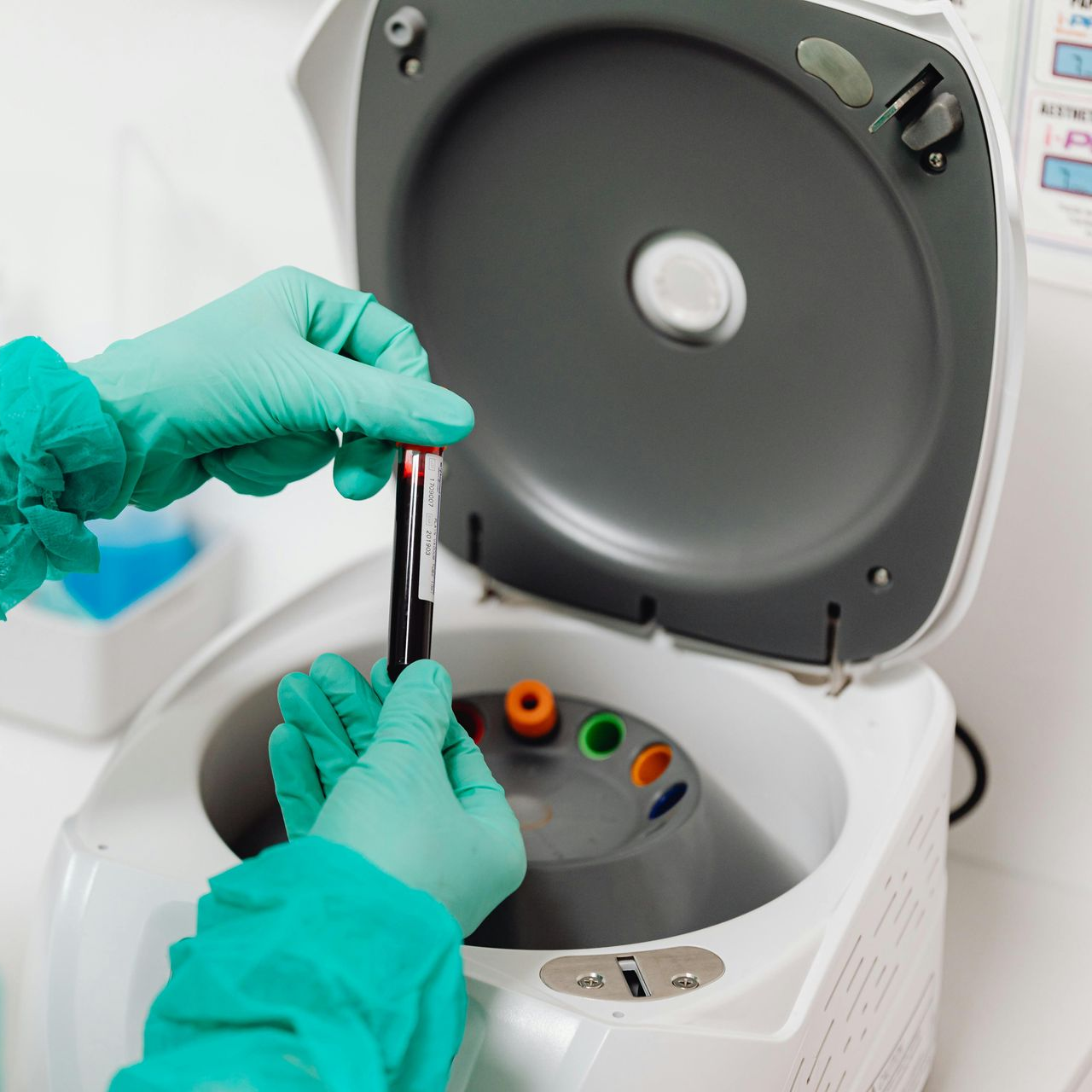
The removed blood is collected into an appropriate blood-collection bag or container.
Therapeutic phlebotomy should not be treated as an informal blood donation. Medical monitoring and follow-up laboratory testing remain important even when the procedure resembles the donation process.
How Often Is Therapeutic Phlebotomy Needed?
There is no universal schedule.
A provider may order treatment:
- Weekly
- Every few weeks
- Monthly
- Every few months
- According to laboratory results
- As part of a maintenance schedule
People beginning treatment for significant iron overload may need more frequent sessions at first. Once target levels are reached, treatments may become less frequent.
Patients with polycythemia vera may receive treatment according to hematocrit results and the broader plan established by their hematologist.
ABOLabs does not decide when a patient needs treatment or change the schedule independently.
What Is Required Before an ABOLabs Appointment?
ABOLabs requires an appropriate written provider order before performing therapeutic phlebotomy.
The order may need to specify:
- The patient’s diagnosis
- The amount of blood to remove
- The treatment frequency
- Required laboratory results
- Hemoglobin or hematocrit parameters
- Instructions for holding or stopping the procedure
- Vital-sign requirements
- Any special monitoring or recovery instructions
- Where treatment documentation should be sent
Additional records or provider clarification may be requested before scheduling.
Not every patient or provider order will be appropriate for mobile treatment. ABOLabs reviews each request based on patient safety, available equipment, clinical requirements, location, and service capabilities.
How to Prepare for Therapeutic Phlebotomy
Patients should follow the instructions provided by their healthcare provider.
Unless told otherwise, general preparation may include:
- Drinking plenty of fluids before the appointment
- Eating a normal meal beforehand
- Avoiding alcohol before and after the procedure
- Wearing loose, comfortable clothing
- Choosing a shirt with sleeves that can be raised easily
- Having a snack or drink available
- Planning time to rest afterward
- Providing an updated medication list when requested
Good hydration may help support blood flow and make vein access easier.
Patients should not stop prescribed medications, iron supplements, blood thinners, or other treatments unless instructed by their healthcare provider.
Anyone who feels ill, has a fever, is dehydrated, or has experienced a recent medical change should notify ABOLabs before the appointment.
What Happens During a Session?
The exact workflow depends on the provider order and the patient’s needs.
A typical appointment may include:
- Confirming the patient’s identity
- Reviewing the provider order
- Reviewing recent health changes or previous reactions
- Checking required vital signs or documentation
- Preparing the collection area and equipment
- Placing a needle into an appropriate vein
- Removing the prescribed amount of blood
- Monitoring the patient throughout the procedure
- Stopping early if required by the order or safety protocol
- Applying pressure and a secure bandage
- Allowing the patient time to recover
- Completing treatment documentation
The blood-removal portion may take approximately 10 to 30 minutes, but the complete appointment is usually longer because of setup, assessment, monitoring, and recovery.
Blood flow may be slower for some patients, especially those with smaller veins, fragile veins, dehydration, or certain health conditions.
What Might a Patient Feel?
Many patients tolerate therapeutic phlebotomy well.
Possible sensations or side effects may include:
- A brief pinch during needle insertion
- Pressure or pulling near the collection site
- Fatigue
- Lightheadedness
- Dizziness
- Sweating
- Nausea
- Bruising
- A temporary drop in blood pressure
Patients should tell the clinician immediately if they feel dizzy, faint, nauseated, unusually weak, short of breath, or unwell.
The procedure may need to be slowed, paused, or stopped depending on the patient’s response and the provider’s instructions.
Aftercare and Recovery
After therapeutic phlebotomy, patients should remain seated or reclined until they feel steady.
General aftercare may include:
- Drinking more fluids than usual
- Eating a snack or meal
- Keeping the pressure bandage in place as instructed
- Avoiding heavy lifting with the collection arm
- Avoiding strenuous exercise for the remainder of the day
- Standing up slowly
- Avoiding alcohol for the rest of the day
- Resting if tired or lightheaded
Patients should follow their provider’s instructions if those differ from general recommendations.
Someone who becomes dizzy should sit or lie down immediately. Raising the legs slightly may help while waiting for symptoms to pass.
Patients should not drive until they feel fully alert and steady.
Caring for the Collection Site
Mild tenderness or bruising may occur.
If bleeding restarts:
- Raise the arm
- Apply firm pressure directly over the site
- Maintain pressure for several minutes
- Replace the bandage once the bleeding stops
A cool pack may help with minor swelling or bruising. It should be wrapped rather than placed directly against bare skin.
When to Contact a Healthcare Provider
Patients should contact their healthcare provider for:
- Bleeding that does not stop with firm pressure
- Severe or persistent dizziness
- Fainting
- Increasing redness, warmth, swelling, or pain
- Fever
- Significant weakness
- Unexpected symptoms after the procedure
- Questions about the treatment schedule or laboratory targets
Call emergency services for chest pain, severe shortness of breath, loss of consciousness, signs of stroke, or another medical emergency.
ABOLabs does not provide emergency treatment or emergency monitoring.
The Value of At-Home Therapeutic Phlebotomy
Recurring treatment can become difficult when patients must repeatedly travel to a hospital, infusion center, or medical office.
Home-based therapeutic phlebotomy may reduce:
- Transportation burdens
- Time spent in waiting rooms
- Difficulty navigating large facilities
- Disruption to work or caregiving schedules
- Winter travel concerns
- Stress for patients with mobility limitations
It also allows the patient to recover in a familiar environment.
However, convenience does not replace safety. Mobile treatment is only appropriate when the patient, provider order, location, and clinical requirements fit ABOLabs’ service capabilities.
Therapeutic Phlebotomy Questions and Answers
Do I need a provider order?
Yes.
Therapeutic phlebotomy is a medical treatment and requires an appropriate written order from a qualified healthcare provider.
How much blood will be removed?
The provider determines the volume.
Many orders involve an amount close to one pint, but smaller or adjusted volumes may be used based on the patient’s health, diagnosis, and treatment plan.
Can ABOLabs decide whether I need treatment?
No.
ABOLabs performs the procedure according to the provider’s order. We do not diagnose iron overload, polycythemia, or other medical conditions.
Does ABOLabs test my blood before treatment?
Required testing depends on the provider order and service arrangement.
Some patients may need recent hemoglobin, hematocrit, ferritin, or other laboratory results before the procedure. The ordering provider is responsible for determining which tests and thresholds are required.
Can the removed blood be donated?
Therapeutic phlebotomy and blood donation follow different medical and regulatory pathways.
Whether collected blood may be used for donation depends on the diagnosis, collection facility, blood-center policies, and applicable requirements. Blood removed during an ABOLabs mobile therapeutic procedure is not collected as a standard community blood donation.
Can I receive therapeutic phlebotomy if I am anemic?
Therapeutic phlebotomy may not be appropriate for someone with anemia or certain heart and medical conditions.
The ordering provider must evaluate the risks and establish safe treatment parameters.
What happens if I feel faint?
Tell the clinician immediately.
The procedure may be paused or stopped, and you may be reclined with your legs elevated while being monitored. Emergency services may be contacted when medically necessary.
Does ABOLabs provide IV fluids afterward?
IV hydration is not automatically included with therapeutic phlebotomy.
Any additional treatment must be separately ordered, clinically appropriate, and within the scope of the assigned clinician and service agreement.
Therapeutic Care That Comes to You
Therapeutic phlebotomy is more than removing blood.
It is a structured treatment that depends on a clear provider order, careful monitoring, patient preparation, and ongoing laboratory follow-up.
For eligible patients, ABOLabs brings that treatment into the home with experienced collection care, clear documentation, and respect for the patient’s comfort and dignity.
Your Couch. Your Lab.
To ask about mobile therapeutic phlebotomy in Colorado, visit abolabs.org, call 720-218-8748, or email scheduling@abolabs.org.
ABOLabs is an independent phlebotomy and specimen-collection service. Therapeutic phlebotomy requires an appropriate provider order and is not available for every patient or condition. ABOLabs does not diagnose medical conditions, establish treatment schedules, interpret laboratory results, or provide emergency care.
Originally published in 2025. Republished June 29, 2026.