
ABOLabs LLC
December 2025 • HIV/AIDS Awareness Month

December begins with World AIDS Day on December 1.
It is a day to remember those who have died from AIDS-related illnesses, support people living with HIV, recognize decades of medical progress, and renew the commitment to accessible testing and care.
It is also an opportunity to replace outdated fear with accurate information.
At ABOLabs, we believe healthcare should be compassionate, respectful, and free from judgment. No person should feel ashamed for asking questions, seeking testing, or receiving care.
What Is the Difference Between HIV and AIDS?
HIV and AIDS are related, but they are not the same thing.
HIV, or humHIV and AIDS are related, but they are not the same thing.an immunodeficiency virus, affects the immune system. Without treatment, it can gradually reduce the body’s ability to fight certain infections and illnesses.
AIDS, or acquired immunodeficiency syndrome, is the most advanced stage of HIV infection.
A person can live with HIV without developing AIDS. Modern antiretroviral treatment can suppress the virus, protect the immune system, and help people with HIV live long and healthy lives.
Using the terms accurately matters. Referring to every person with HIV as having AIDS is medically incorrect and can reinforce unnecessary stigma.
Why HIV Awareness Still Matters
Medical treatment has advanced dramatically, but HIV has not disappeared.
The Colorado Department of Public Health and Environment reports that nearly 15,000 people across the state are living with HIV.
Barriers to testing and care can include:
- Fear of judgment or discrimination
- Limited access to healthcare
- Transportation challenges
- Cost or insurance concerns
- Rural distance from testing locations
- Lack of privacy
- Misinformation about HIV transmission
- Fear of receiving a positive result
- Not believing that personal risk is significant
HIV can affect people of any gender, sexual orientation, race, age, or background.
Certain communities experience higher rates because of overlapping social, economic, and healthcare barriers. Awareness should address those inequities without treating any community as the disease itself.
HIV Is Not Spread Through Casual Contact
HIV is not transmitted through ordinary social contact.
A person cannot acquire HIV from:
- Hugging or shaking hands
- Sharing food, drinks, or dishes
- Using the same toilet
- Coughing or sneezing
- Working with someone who has HIV
- Mosquito bites
- Casual touching
Sharing accurate information helps protect health while reducing the fear and isolation that stigma can create.
Why HIV Testing Matters
The only way to know your HIV status is to get tested.
HIV may not cause obvious symptoms, and some people can live with the virus for years without realizing it. Early diagnosis allows a person to begin treatment sooner and take steps to protect their long-term health.
Testing may also help people access:
- Confirmatory laboratory testing
- HIV treatment and specialty care
- Prevention resources for partners
- Counseling and support services
- Insurance or assistance programs
- Other recommended sexual-health testing
A preliminary positive result does not stand alone as a final diagnosis. Follow-up testing is required to confirm it.
Understanding the HIV Testing Window Period
No HIV test can detect infection immediately after an exposure.
The time between a possible exposure and when a test can reliably detect HIV is called the window period.
Different tests have different windows:
- A laboratory antigen-and-antibody test using blood from a vein can usually detect HIV sooner than most antibody-only tests.
- Rapid finger-stick and oral-fluid tests may require more time after an exposure.
- A nucleic acid test, sometimes called a NAT, may detect HIV earlier in certain situations.
A negative test taken too soon may need to be repeated after the appropriate window period.
Anyone concerned about a recent exposure should contact a healthcare provider, sexual-health clinic, or public-health program for guidance about which test is appropriate and when it should be performed.
PEP Is Time-Sensitive After a Possible Exposure
Post-exposure prophylaxis, commonly called PEP, is emergency medication that may help prevent HIV after a recent possible exposure.
PEP must be started within 72 hours, and beginning it sooner is better.
Anyone who believes they may have had a significant HIV exposure within the past 72 hours should contact an emergency department, urgent care clinic, healthcare provider, or local sexual-health service immediately.
Do not wait for symptoms or delay care while trying to schedule a routine mobile blood draw.
PrEP Can Help Prevent HIV
Pre-exposure prophylaxis, or PrEP, is medication for people who do not have HIV but may benefit from additional protection.
When taken as prescribed, PrEP can greatly reduce the risk of acquiring HIV through sex or injection drug use.
PrEP requires appropriate medical evaluation and follow-up. Depending on the medication and care plan, patients may need periodic laboratory work to monitor kidney health, confirm HIV-negative status, or screen for other infections.
Colorado maintains resources for locating PrEP-knowledgeable providers and assistance programs.
Treatment Has Changed What It Means to Live with HIV
HIV is a manageable chronic medical condition when effective treatment is available and taken as prescribed.
Antiretroviral therapy lowers the amount of HIV in the bloodstream, known as the viral load.
For many people, treatment can reduce the viral load until it becomes undetectable on a standard laboratory test.
An undetectable result does not mean HIV has been cured or removed from the body. It means the amount of virus is too low for the test to measure.
What Does U=U Mean?
U=U stands for Undetectable Equals Untransmittable.
A person living with HIV who takes treatment as prescribed and gets and keeps an undetectable viral load will not transmit HIV to an HIV-negative partner through sex.
This is one of the most important advances in modern HIV care.
U=U supports both physical health and freedom from outdated assumptions. It shows why access to treatment, regular laboratory monitoring, and consistent medical care matter.
Laboratory Monitoring for People Living with HIV
People receiving HIV care may need recurring laboratory testing.
Their healthcare provider may order tests such as:
- HIV viral load
- CD4 cell count
- Complete blood count
- Kidney and liver function testing
- Medication-related monitoring
- Testing for hepatitis or other infections
- General preventive laboratory work
The provider determines which tests are needed and how often they should be performed.
Regular laboratory monitoring helps the healthcare team understand whether treatment is working and whether adjustments or additional care may be needed.
How ABOLabs May Help
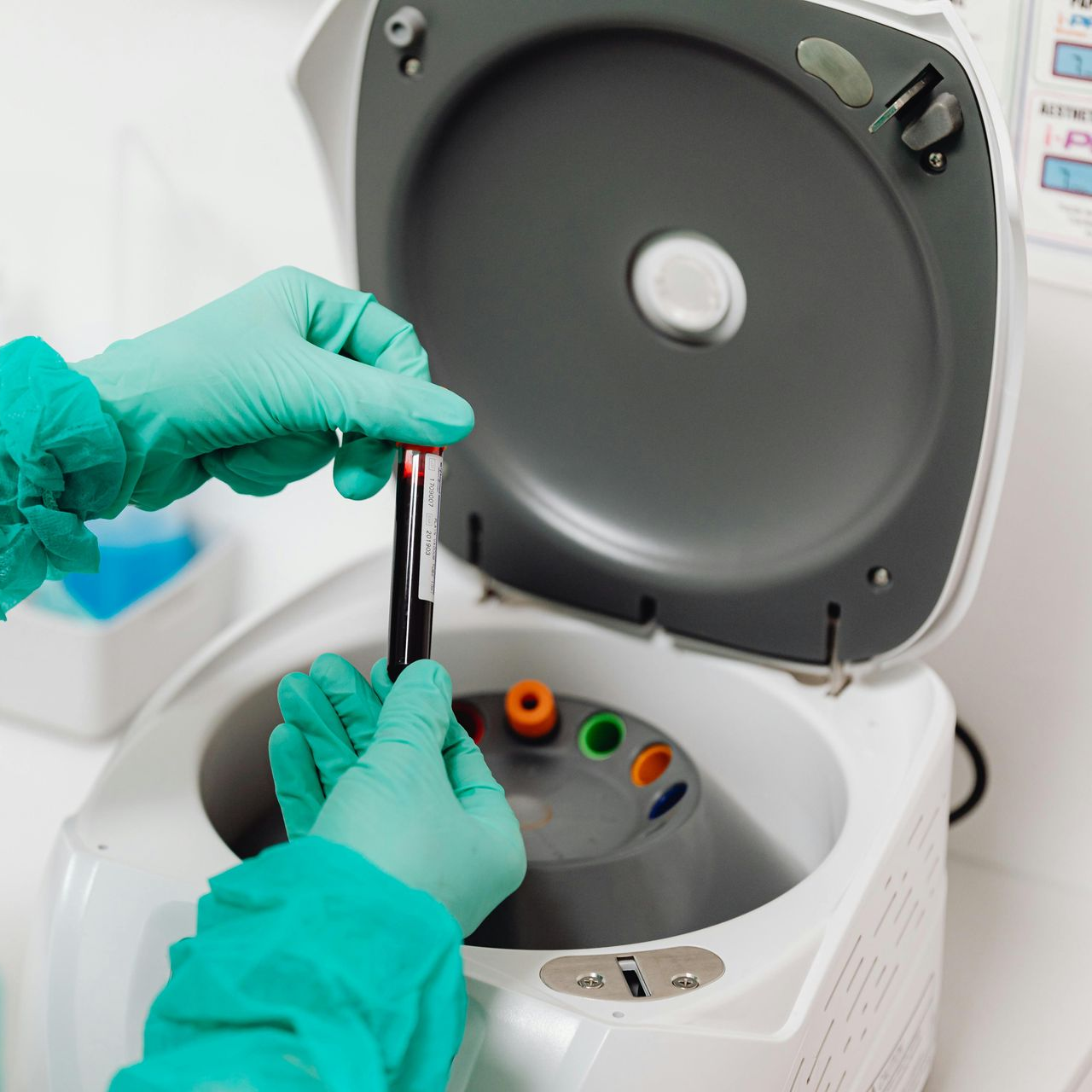
ABOLabs provides scheduled mobile phlebotomy and specimen-collection services.
When an appropriate laboratory order and receiving-lab arrangement are in place, ABOLabs may be able to collect venous blood for:
- Provider-ordered HIV screening
- Confirmatory or follow-up laboratory testing
- Viral-load monitoring
- CD4 testing
- Medication and organ-function monitoring
- Other laboratory work connected to an established care plan
Appointments may be available in a patient’s home, workplace, healthcare office, senior community, or another approved location.
Mobile collection may help reduce transportation barriers and provide a more private, familiar environment for some patients.
ABOLabs does not independently determine which HIV test a person needs, diagnose HIV, interpret results, prescribe PrEP or PEP, or replace an infectious-disease or primary-care provider.
We also do not automatically provide rapid point-of-care or at-home HIV testing. The exact test, laboratory, order, and collection requirements must be confirmed before scheduling.
Privacy, Respect, and Stigma-Free Care
Every patient deserves professional care without assumptions or judgment.
HIV stigma can discourage people from seeking testing, disclosing concerns to a provider, or remaining engaged in treatment.
Healthcare conversations should be based on facts, privacy, and respect.
At ABOLabs, the specimen is handled according to the order and laboratory instructions. The patient is treated as a person, not a diagnosis or a collection of risk factors.
Compassion is not an optional extra. It is part of appropriate care.
HIV Awareness and Testing Questions
Can someone tell whether they have HIV from symptoms?
No.
Some people experience flu-like symptoms shortly after infection, while others experience no noticeable symptoms. Symptoms alone cannot diagnose or rule out HIV.
Testing is the only way to know your status.
How soon after an exposure should someone test?
The appropriate timing depends on the type of test.
A healthcare provider or testing program can help determine whether immediate testing, later repeat testing, or a nucleic acid test is appropriate.
Anyone within 72 hours of a possible significant exposure should ask about PEP immediately.
Does a negative HIV test always mean someone does not have HIV?
Not necessarily if the test was performed during its window period.
A healthcare provider may recommend repeating the test after enough time has passed for the specific test used.
Is HIV a death sentence?
No.
Modern treatment allows people with HIV to live long and healthy lives. Beginning care early and taking medication as prescribed can suppress the virus and protect the immune system.
Can a person with an undetectable viral load transmit HIV through sex?
No.
A person who maintains an undetectable viral load through effective treatment will not transmit HIV to an HIV-negative partner through sex. This is known as U=U.
Can ABOLabs diagnose HIV?
No.
ABOLabs collects appropriately ordered specimens and coordinates them with the designated laboratory. The receiving laboratory performs the testing, and a qualified healthcare provider or testing program communicates and explains the results.
Does ABOLabs provide emergency PEP?
No.
PEP is time-sensitive medication that must be started within 72 hours of a possible exposure. Contact an emergency department, urgent care clinic, healthcare provider, or sexual-health program promptly.
Where can Coloradans find testing and support?
The Colorado Department of Public Health and Environment provides information about HIV and STI testing locations, PrEP providers, prevention programs, and services for people living with HIV.
HIV.gov also maintains a locator for testing, treatment, PrEP, and other support services.
Awareness Is More Than a Ribbon
World AIDS Day is a time to honor the lives affected by HIV and AIDS, but meaningful awareness continues throughout the year.
It happens when someone gets tested.
It happens when a person begins treatment without shame.
It happens when accurate information replaces fear.
It happens when communities support PrEP, PEP, U=U, and equitable access to care.
Most importantly, it happens when every person is treated with dignity.
To ask whether ABOLabs can assist with an appropriately ordered mobile blood draw, visit abolabs.org, call 720-218-8748, or email scheduling@abolabs.org.
ABOLabs is an independent phlebotomy and specimen-collection service. We do not diagnose HIV, select HIV tests, interpret results, prescribe medications, provide emergency PEP, or replace care from a qualified healthcare provider. Testing services depend on the laboratory order, receiving laboratory, collection requirements, patient location, and ABOLabs availability.
Originally published in 2025. Republished June 29, 2026.