ABOLabs LLC
Why Colorado Clinics Are Turning to Mobile Phlebotomy Support

Colorado’s healthcare landscape is changing quickly.
Clinics across the state are feeling pressure from several directions at once: rising patient demand, heavier administrative workloads, staffing shortages, specialty lab coordination, and patients who cannot always fit care into a narrow clinic window.
For many physician offices, specialty practices, DPC clinics, assisted living communities, and care teams, mobile phlebotomy support has become more than a convenience. It is becoming a practical way to keep care moving when the usual workflow gets jammed.
At ABOLabs, we see how supplemental phlebotomy support can help clinics reduce bottlenecks, improve patient experience, and protect staff from taking on one more task in an already crowded day.
Here’s why more Colorado clinics are turning to mobile phlebotomy support, and why it is becoming an essential piece of modern outpatient care.
Colorado Clinics Are Under Staffing Pressure
Colorado has been warned for years about a tightening healthcare workforce.
ColoradoBiz reported a projected shortfall of 10,000 registered nurses and 54,000 allied-health professionals, including medical and nursing assistants, by 2026.
The Colorado Center for Nursing Excellence has also identified demographics and geographic distribution as two major workforce challenges. Its 2023 workforce snapshot noted that Colorado’s healthcare workforce is aging, more providers are retiring, and rural communities continue to face significant provider shortages.
That matters because clinics do not run on doctors alone. A smooth visit depends on medical assistants, nurses, phlebotomists, front-office teams, lab workflows, specimen handling, documentation, and follow-up systems all working together without squeaky wheels.
When staffing is thin, even one missing piece can slow the entire day.
Clinics may find themselves:
- Pulling MAs or nurses away from patient care to complete blood draws
- Delaying labs because no trained collector is available
- Struggling with specialty kit handling or processing requirements
- Losing time to specimen logistics
- Watching patients delay or skip ordered labs altogether
Mobile phlebotomy helps fill that gap without forcing clinics to hire, train, schedule, and manage additional staff before they know exactly how much support they need.
Better Access for Patients
Patients want healthcare that works with real life.
That means jobs, children, caregiving responsibilities, transportation limitations, mobility issues, weather, and all the little scheduling gremlins that make “just stop by the lab” easier said than done.
Mobile phlebotomy improves access by allowing eligible patients to complete lab work at home, at work, in assisted living settings, or through coordinated clinic support.
That can be especially helpful for:
- Older adults
- Homebound patients
- Memory-care residents
- Mobility-impaired patients
- Rural and mountain-town patients
- Busy families
- Patients managing chronic conditions
- Patients using specialty test kits
The Colorado Center for Nursing Excellence has noted that Colorado’s most rural counties contain 8% of the state’s population but only 4% of physicians, highlighting the access gap that rural communities continue to face.
For patients, mobile phlebotomy can mean fewer missed labs, less travel stress, and a care experience that feels more human. For clinics, it means better follow-through on orders and fewer “we’re still waiting on labs” moments.
Tiny hinge, big door.
Mobile Phlebotomy Helps Clinic Workflow
In many clinics, blood draws are not the only job on someone’s plate.
They are one more task wedged between rooming patients, answering questions, documenting visits, managing referrals, handling phone calls, responding to portal messages, and trying to keep the day from turning into alphabet soup.
When a clinic uses outside phlebotomy support, it can remove a recurring bottleneck from the schedule.
ABOLabs can support clinics through:
- In-office block scheduling
- At-home patient-direct draws
- Specialty kit collections
- Routine lab collections
- Lab delivery preparation
- Courier coordination support when appropriate
- HIPAA-compliant documentation
- Specimen handling workflows
This gives clinical teams more breathing room and allows MAs, nurses, and providers to focus on direct care instead of constantly shifting gears.
Staffing Strain Is Also a Patient Safety Issue
Understaffing is not just inconvenient. It can affect quality, consistency, and patient outcomes.
A 2026 JAMA Network Open cohort study found that patients exposed to nurse understaffing during the day shift or across a 24-hour period had higher in-hospital mortality and increased readmission rates, and understaffing was associated with longer hospital stays.
A 2022 systematic review of longitudinal studies also found that the overall evidence supports a link between higher registered nurse staffing and better patient outcomes, particularly in preventing patient deaths.
Phlebotomy is not nursing, and a mobile phlebotomy partner does not replace clinical staff. But it can reduce task overload. When clinics can remove routine and specialty blood draw work from already-stretched teams, they create a cleaner workflow and reduce pressure on the people responsible for broader patient care.
That matters.
Better Lab Completion Means Better Follow-Up Care
Lab orders only help when they are completed.
Patients may delay or miss lab work because of:
- Transportation problems
- Long lab wait times
- Work schedules
- Childcare needs
- Mobility limitations
- Weather
- Confusion around specialty kits
- Limited clinic draw availability
Mobile phlebotomy removes many of those barriers.
For clinics managing chronic conditions, hormone monitoring, thyroid care, diabetes, lipid panels, wellness labs, therapeutic phlebotomy needs, specialty testing, or DTC-related follow-up, completed labs help providers make better-informed decisions.
More completed labs can mean:
- More timely results
- Better chronic-care monitoring
- Fewer delayed treatment decisions
- Better patient compliance
- Less administrative chasing
- A smoother experience from order to result
In plain clinic language: fewer loose ends flapping around in the wind.
Cost-Effective Support Without Full-Time Overhead
Hiring a full-time phlebotomist may not make sense for every clinic.
Some practices need regular help. Others need only a few hours per week, seasonal support, overflow coverage, or specialty kit assistance.
Hiring brings added costs and responsibilities:
- Wages
- Benefits
- HR management
- Training
- PTO coverage
- Turnover risk
- Scheduling gaps
- Competition for qualified staff
Mobile phlebotomy support gives clinics a more flexible option.
With ABOLabs, clinics can use support when they need it without building an entire employee role around a fluctuating workload. That makes mobile phlebotomy useful for smaller practices, growing clinics, specialty providers, DPC practices, assisted living partnerships, and offices that need dependable lab support without expanding payroll too quickly.
Mobile Phlebotomy Supports Specialty Testing
Specialty lab testing can be powerful, but the logistics are often more complex than a standard tube draw.
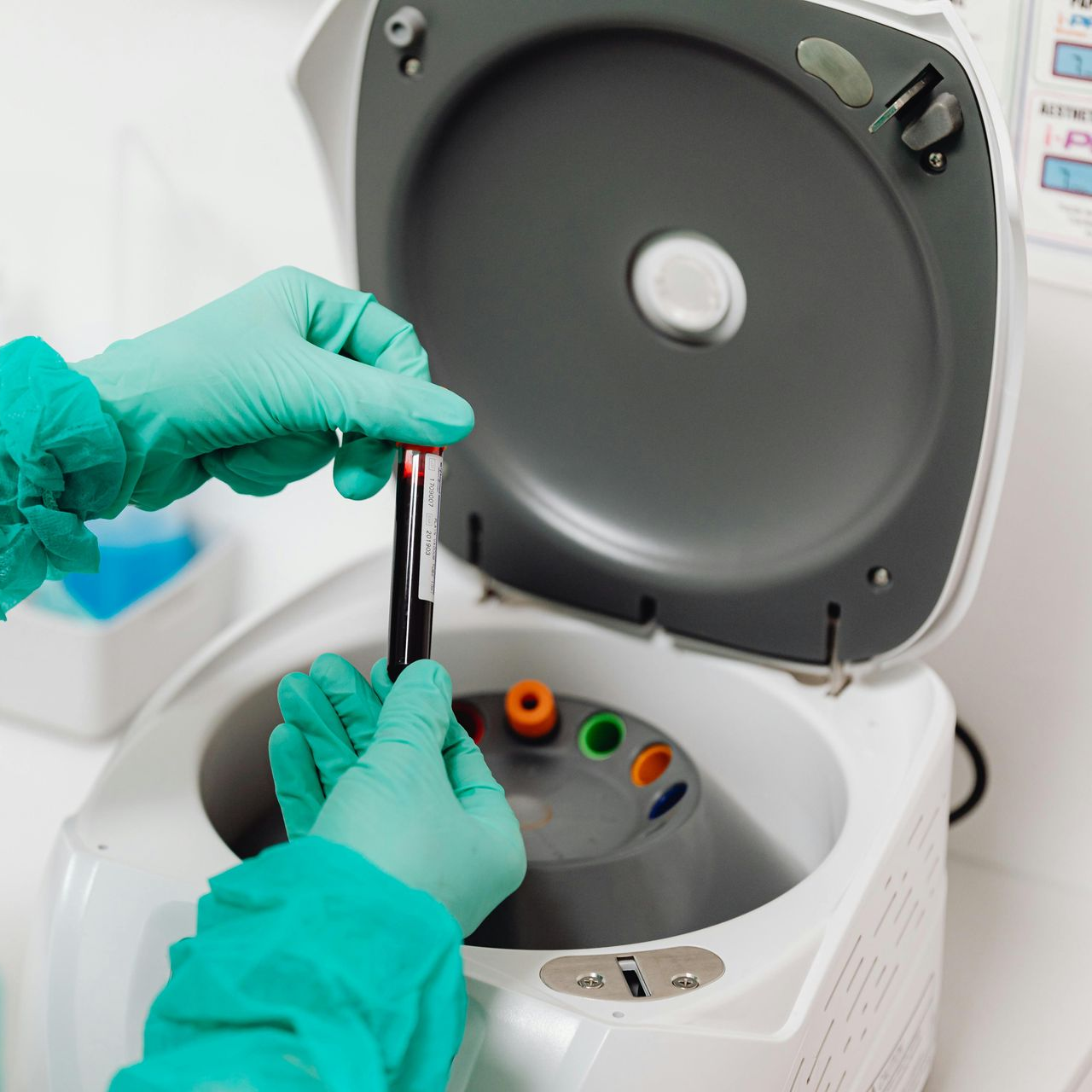
Some kits require specific tubes, timing, temperature handling, centrifugation, packaging, forms, shipping materials, or courier coordination. When those details land on an already-busy clinic team, the workflow can get prickly fast.
ABOLabs supports specialty kit and third-party lab collections, including workflows commonly used with companies such as Vibrant, Genova, SpectraCell, BostonHeart, and other specialty lab providers.
For clinics, this can reduce confusion and make specialty testing easier to offer without asking internal staff to become part-time kit detectives.
Mobile Phlebotomy Does Not Replace Clinics. It Strengthens Them.
The best mobile phlebotomy partnerships are not about replacing clinic staff. They are about supporting the care team, improving patient access, and making the lab process less stressful for everyone involved.
For clinics, that support may mean:
- Fewer workflow interruptions
- Better patient satisfaction
- Improved lab follow-through
- Support for specialty testing
- Better access for homebound or mobility-limited patients
- Flexible in-office or mobile options
- Less strain on nurses and MAs
Healthcare is already complicated enough. Blood draws should not be the tiny gear that jams the whole clock.
Partner With ABOLabs
ABOLabs proudly supports physician offices, DPC practices, specialty providers, assisted living communities, and care teams across Colorado and Southern Wyoming.
Our services include:
- In-office block scheduling
- At-home patient-direct blood draws
- Mobile phlebotomy services
- Specialty kit collections
- DTC lab support
- HIPAA-compliant documentation
- Specimen handling and courier coordination support
- Reliable, patient-centered care
Your patients deserve convenience.
Your clinic deserves support.
ABOLabs delivers both.
ABOLabs
Phone: 720-218-8748
Website: abolabs.org
Email:
scheduling@abolabs.org
ABOLabs is an independent mobile phlebotomy and specimen collection service. We do not diagnose, treat, interpret lab results, or replace medical advice from a licensed healthcare provider. Patients should consult their physician or qualified healthcare professional regarding any medical questions, symptoms, testing decisions, or treatment plans.
Republished on: July 6, 2026
Sources & Further Reading
The workforce and patient-safety references in this article were drawn from the following public sources:
- ColoradoBiz — “Colorado’s Looming Healthcare Crisis: 10,000 Nurses Needed by 2026”
Used for Colorado healthcare workforce shortage projections, including the projected shortfall of registered nurses and allied-health professionals.
Link: https://coloradobiz.com/colorados-looming-healthcare-crisis-10000-nurses-needed-by-2026/ - Colorado Center for Nursing Excellence — “Colorado’s Direct Care Healthcare Workforce September 2023 Snapshot”
Used for Colorado workforce distribution, rural access concerns, provider demographics, and direct-care workforce context.
Link: https://www.coloradonursingcenter.org/wp-content/uploads/2023/11/Colorados-Direct-Care-Healthcare-Workforce-September-2023-Snapshot.pdf - JAMA Network Open — “Hospital Nurse Understaffing and Patient Mortality, Readmission, and Length of Stay”
Used for peer-reviewed research connecting nurse understaffing with higher mortality, readmission rates, and longer hospital stays.
Link: https://jamanetwork.com/journals/jamanetworkopen/fullarticle/2845490 - International Journal of Nursing Studies / PubMed — “Nurse Staffing Levels and Patient Outcomes: A Systematic Review of Longitudinal Studies”
Used for broader research on the relationship between nurse staffing levels and patient outcomes.
Link: https://pubmed.ncbi.nlm.nih.gov/35780608/ - HRSA — “State of the U.S. Health Care Workforce, 2024”
Used for national workforce context and broader healthcare staffing trends across the United States.
Link: https://bhw.hrsa.gov/sites/default/files/bureau-health-workforce/state-of-the-health-workforce-report-2024.pdf