
ABOLabs LLC
Rural Hospital Staffing Shortages: Can Mobile Phlebotomy Help?
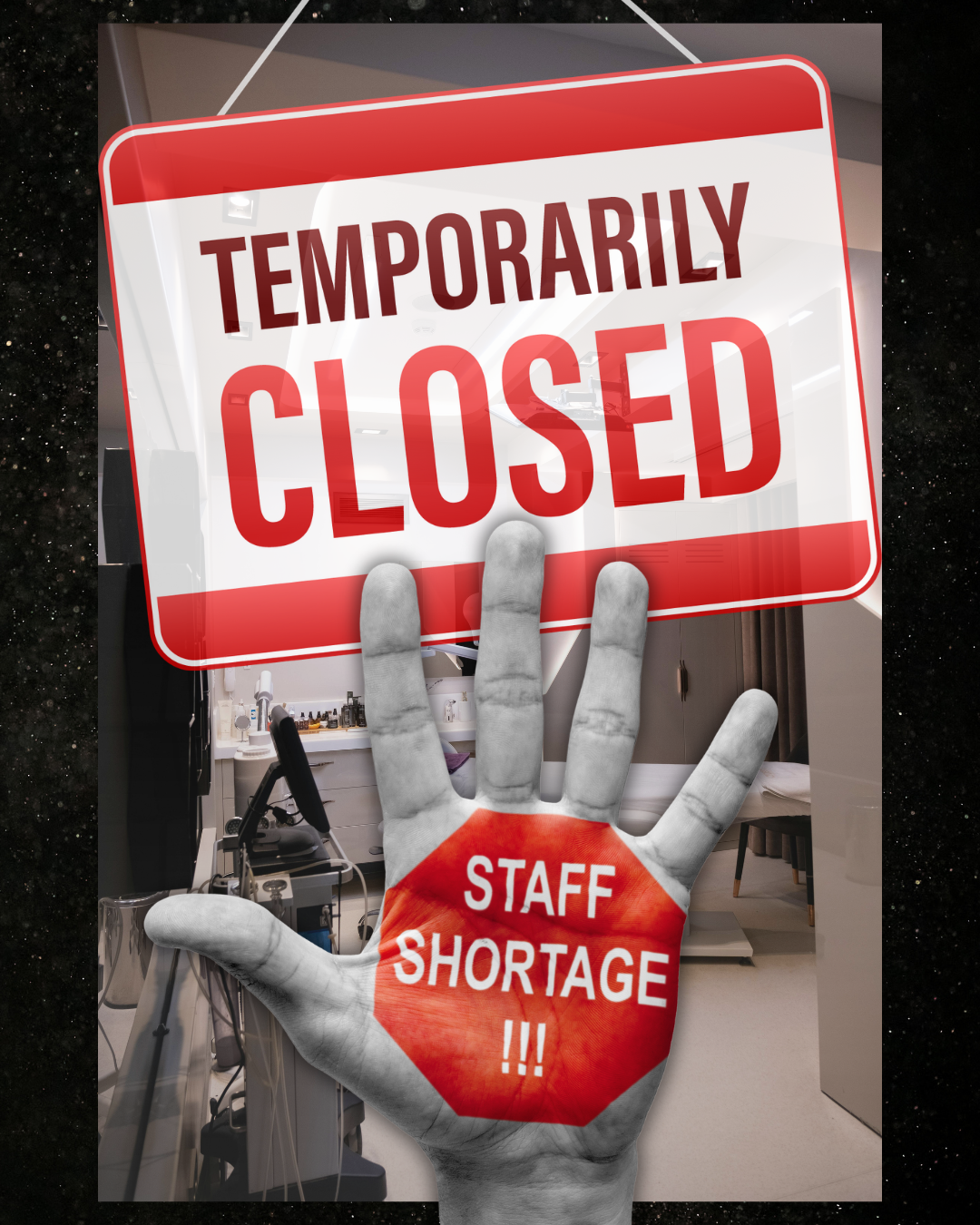
Rural hospitals are being asked to serve large geographic areas with limited staff, unpredictable patient volume, and increasingly difficult financial conditions.
A recent Colorado Politics report described Colorado hospitals closing maternity units and reducing services their communities have relied on for generations. Delta Health, for example, closed the only birthing center serving a region of approximately 32,000 people after the unit lost more than $1 million annually.
These decisions are not caused by a lack of community need or commitment from hospital employees. Rural hospitals must maintain trained staff, equipment, and essential services even when patient volume and reimbursement cannot support the full cost.
When staffing becomes limited, hospital teams must prioritize patients and services that require immediate hospital-based care. That can leave fewer resources for outpatient collections, post-discharge laboratory work, homebound patients, and people who live far from the hospital.
How do laboratory-access problems affect rural patients?
Ordering a laboratory test does not guarantee that it will be completed.
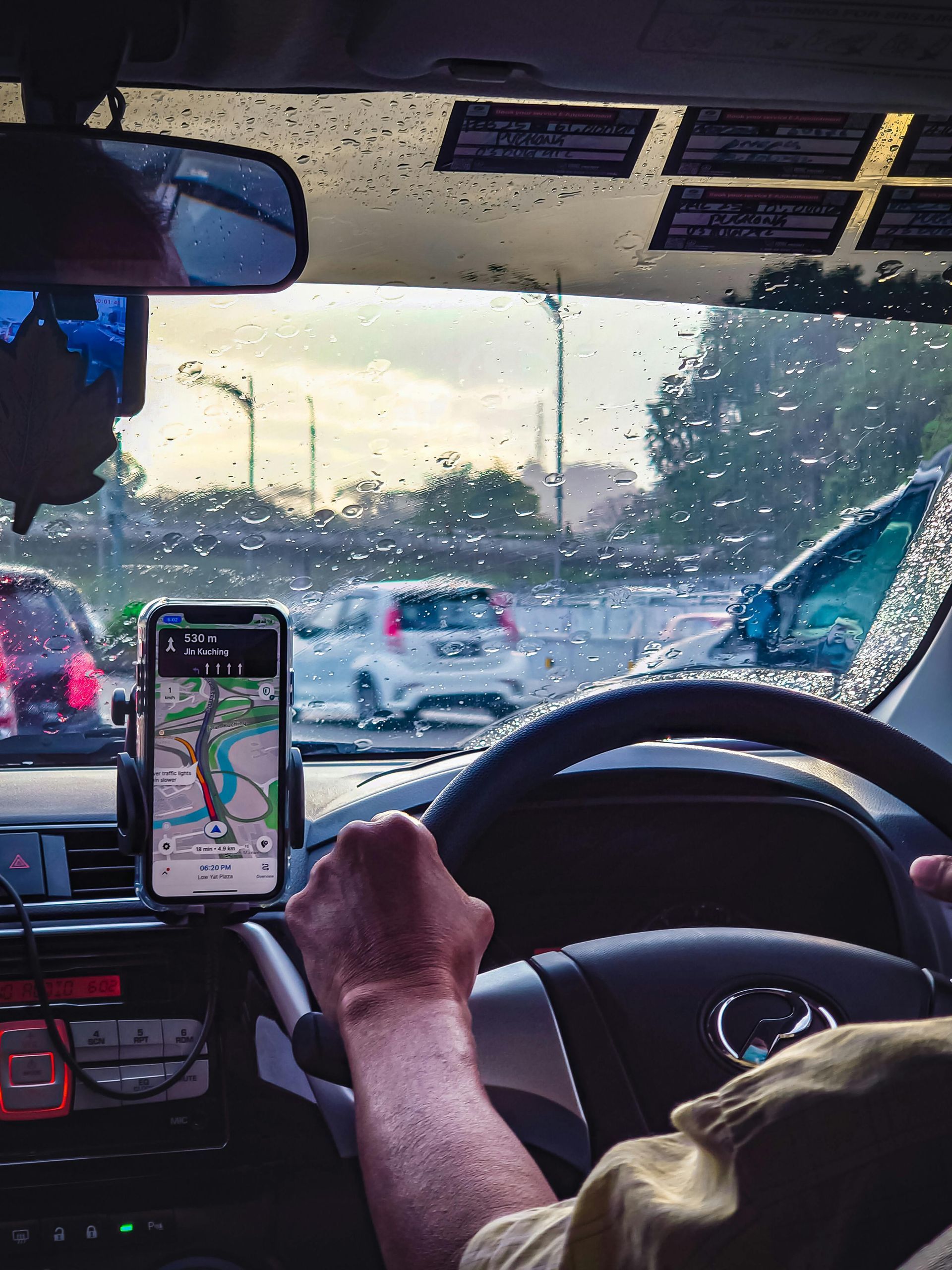
The patient must still reach a collection site during available hours. For someone living in a rural community, that may require a long drive, time away from work, transportation assistance, or help from a caregiver.
Telehealth can connect a patient with a provider, but it cannot collect a physical specimen. That leaves a gap between the laboratory order and the information the provider needs.
Community-based mobile phlebotomy may help close that gap.
How can mobile phlebotomy support a rural hospital?
A mobile phlebotomy service can collect ordered specimens from appropriate patients outside the hospital and transport them to the hospital or its designated laboratory.
A basic partnership could work like this:
- The hospital or provider orders the testing and identifies the laboratory.
- A qualified mobile phlebotomist collects the specimen from the patient or an approved community location.
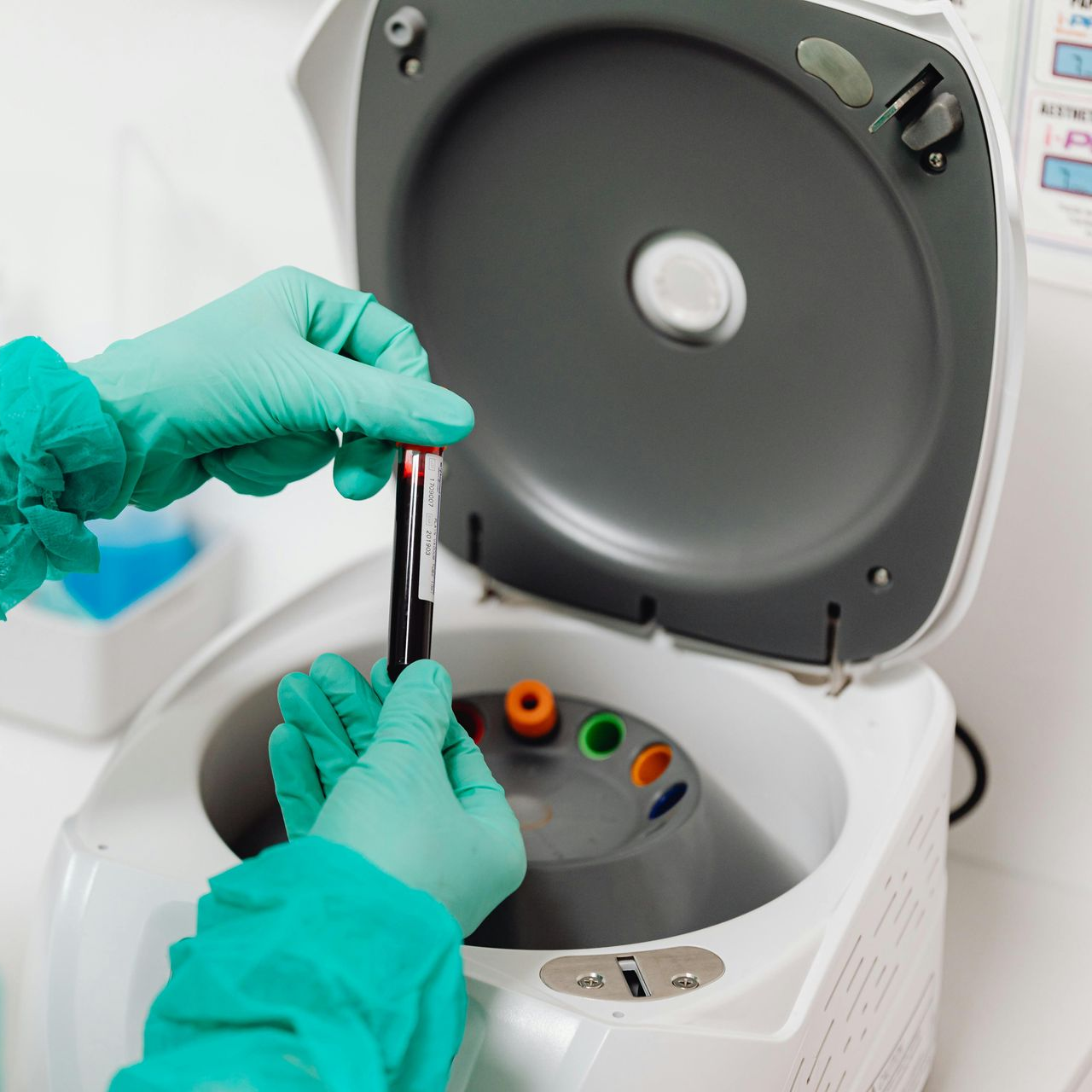
- The specimen is prepared, documented, and transported according to written laboratory requirements.
- The laboratory performs the testing, and the provider receives the results through its established system.
The hospital remains responsible for the patient’s clinical care. The mobile partner handles the physical connection between the patient and the laboratory.
This model could support homebound patients, post-discharge collections, chronic-care monitoring, telehealth patients, specialty kits, and recurring community collection days.
What can mobile phlebotomy realistically solve?
Mobile phlebotomy cannot repair hospital finances, reverse service closures, or replace experienced laboratory professionals.
Its potential role is narrower: helping the hospital reach appropriate patients without pulling limited laboratory staff away from hospital-based responsibilities.
ABOLabs operates under this model as a Colorado mobile specimen-collection and logistics service—not a diagnostic laboratory. Providers order the testing and manage patient care, while ABOLabs supports collection, specimen preparation, documentation, and transportation.
The purpose is not to compete with the hospital laboratory. It is to extend its reach.
Could this model be tested through a rural pilot?
A responsible partnership should begin with a limited pilot involving one healthcare provider, one service area, and a clearly defined patient population.
A rural provider, experienced mobile collection service, and community college or workforce organization could test both the patient-access model and possible training pathways for future phlebotomists.
The pilot could measure:
- Laboratory orders successfully completed
- Patient travel avoided
- Hospital staff time protected
- Specimen rejection or recollection
- Collection-to-laboratory handoff time
- Cost and long-term sustainability
Students should not replace experienced hospital employees. Any workforce-development component would require qualified supervision, defined competencies, and clear patient-safety standards.
A permanent partnership should only follow if the pilot demonstrates measurable value for patients, hospital staff, and the participating organizations.
Keeping Rural Patients Connected
Rural hospitals should not be expected to solve every access problem by adding another internal service or placing more responsibility on an already-limited workforce.
Sometimes the better approach is to build a reliable connection between the hospital, its laboratory, and the people it already serves.
Mobile phlebotomy will not solve the larger rural-healthcare crisis. But it may help keep patients connected to ordered testing when staffing, distance, or mobility would otherwise stand in the way.
That is a narrow role—but in rural healthcare, closing even one access gap can matter.
Sources
- Colorado Politics — Healthcare Freefall: Longer Drives, Fewer Options for Maternity Care in Colorado
Used for the examples of financial pressure, workforce difficulties, service closures, and increasing travel distances in rural Colorado. - U.S. Government Accountability Office — Accessing Health Care in Rural America
Used for rural travel, transportation, workforce, and specialty-care access challenges. - CMS — Rural Health Transformation Program
Used for background on sustainable access, workforce development, and flexible rural-care models.